
Anticipation vs Pace: Why Smart Defenders Win More Games

Chris Miller·Aug 14, 2026
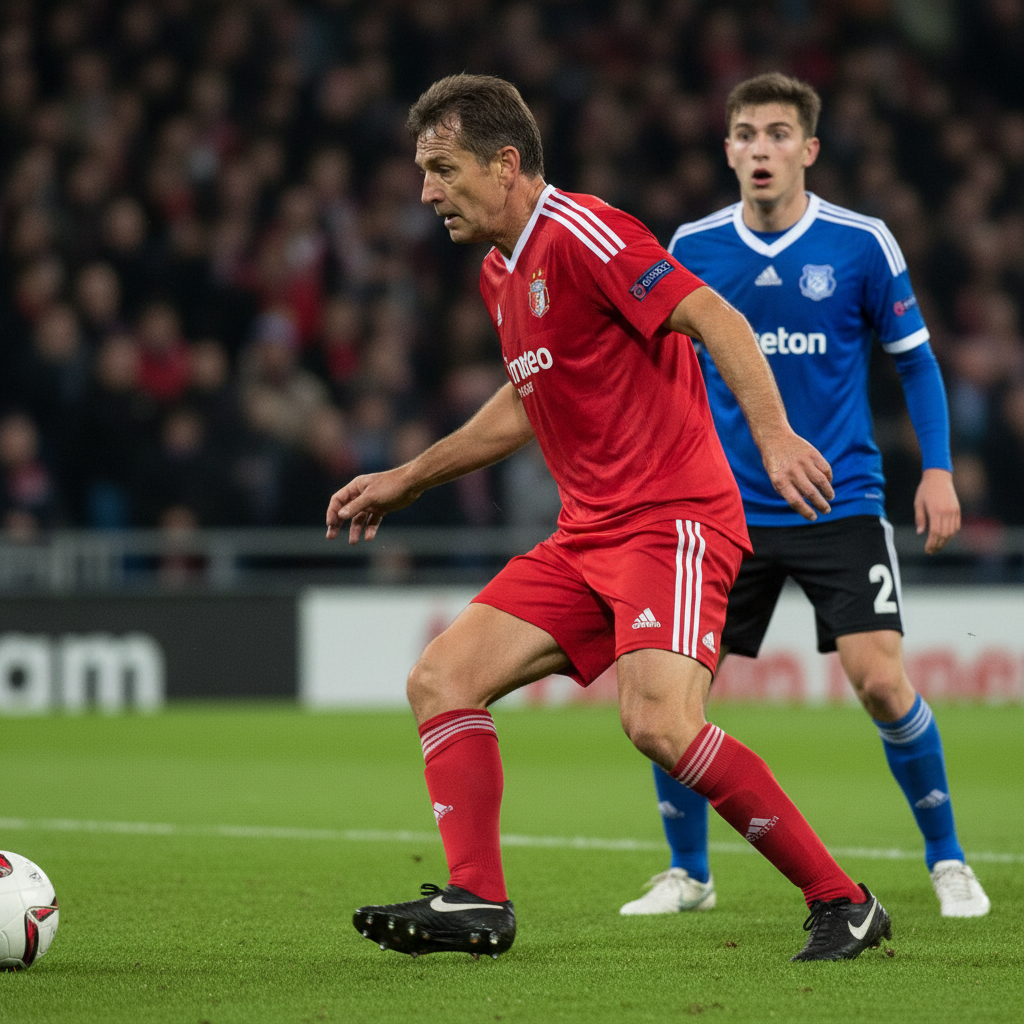
The Speed Trap in Football Management
Most players start their first save by scouting for one thing. Pace. It is the easiest attribute to understand. You see a striker with 19 pace and you immediately look for a center back with at least 17 to match him. It feels logical. If the attacker is fast, your defender needs to be faster to catch them.
In reality, this is a trap that leads to inconsistent results and leaked goals. While pace helps you recover from a mistake, anticipation prevents the mistake from happening in the first place.
I have spent hundreds of hours testing different defensive pairings across various simulators. The results are usually the same. A defender with 12 pace and 18 anticipation will almost always outperform a defender with 18 pace and 12 anticipation. The slower, smarter player is already moving before the pass is even kicked.
Understanding the Anticipation Stat
Anticipation is essentially a player's ability to read the game. It dictates how quickly they react to a developing situation. In many game engines, a player with low anticipation stands still for a fraction of a second while the ball is in flight. They are waiting for the game to tell them where the ball is going.
High anticipation players do not wait. They see the midfielder looking for a through ball and they start dropping back or stepping up to intercept. They are playing the game a few frames ahead of everyone else.
When you rely on pace, you are playing reactive football. You are waiting for the opponent to make a move, then trying to sprint back to fix the hole in your defense. When you prioritize anticipation, you are playing proactive football. You are closing the hole before the striker even sees it.
Why Pace Fails Against Elite Strikers
If you are playing in a lower league, pace might save you. Bad strikers take heavy touches and make poor decisions. You can afford to be caught out of position because you can sprint back and tackle them before they settle.
Once you reach the top divisions, that strategy falls apart. Elite strikers have high composure and finishing. They only need one yard of space and half a second to score. If your defender is relying on pace to catch up, they are already too late. The shot is gone before the tackle is made.
High anticipation allows your defender to stay goal-side. They understand the trajectory of the ball and the movement of the attacker. By the time the striker receives the pass, your defender is already standing in their way. No sprint required.
The Hidden Benefits of Mental Attributes
Anticipation does not work in a vacuum. It usually sits alongside other mental stats like positioning and decisions. When these three work together, you get a defender who looks like they are barely trying, yet the opposition cannot get a shot on target.
Here is what happens when you prioritize these brains over brawn:
- Lower foul counts: Because your defender is in the right place, they do not need to make desperate slide tackles.
- Better stamina: Sprinting 40 yards to recover takes a toll. Jogging 5 yards to intercept does not.
- Consistency: Pace can be neutralized by a faster opponent, but intelligence works against everyone.
- Longevity: A defender who relies on pace is useless by age 31. A smart defender can lead your backline until they are 36.
The Problem With High Lines
The most common argument for pace is the high defensive line. Managers worry that a slow defender will be exposed by a ball over the top. This is a valid concern, but again, anticipation is the better fix.
In most match engines, a defender with high anticipation will spot the long ball earlier. They start their retreat while the ball is still on the passer's foot. Even with a lower top speed, they reach the landing zone at the same time as a fast defender who reacted late.
Furthermore, smart defenders are better at managing the offside trap. They know exactly when to step up to leave the striker stranded. A fast but "dumb" defender often drops too deep out of fear, playing the entire opposition onside and ruining your tactical setup.
Scouting for Intelligence
When you are looking at your next transfer window, try changing your filters. Instead of setting a minimum for pace and acceleration, set a minimum for anticipation and positioning.
Look for players who might be overlooked because they look "slow" on paper. These players are often significantly cheaper than the physical monsters. You can build a title-winning defense for a fraction of the cost by buying the players who think rather than the players who run.
I once signed a 33-year-old veteran with 9 pace but 20 anticipation. My scouts hated the signing. The fans were worried. That season, we had the best defensive record in the league. He was never outpaced because he never allowed himself to be in a footrace. He just stood where the ball was going to be.
Final Thoughts on Defensive Balance
This is not to say pace is useless. Ideally, you want a bit of both. A perfect center back has the brains to read the game and the legs to cover for a teammate's mistake.
However, if you have to choose one, choose the brains. In every comparison I have run, the intelligent defender provides more stability, fewer red cards, and a more reliable tactical floor. Stop looking at the sprint speed and start looking at how well your players read the play. It is the quickest way to improve your results without spending a fortune on the transfer market.