
Football Manager Utility Players: 4 Game Comparison

Chris Miller·Sep 15, 2026

The Value of the Swiss Army Knife
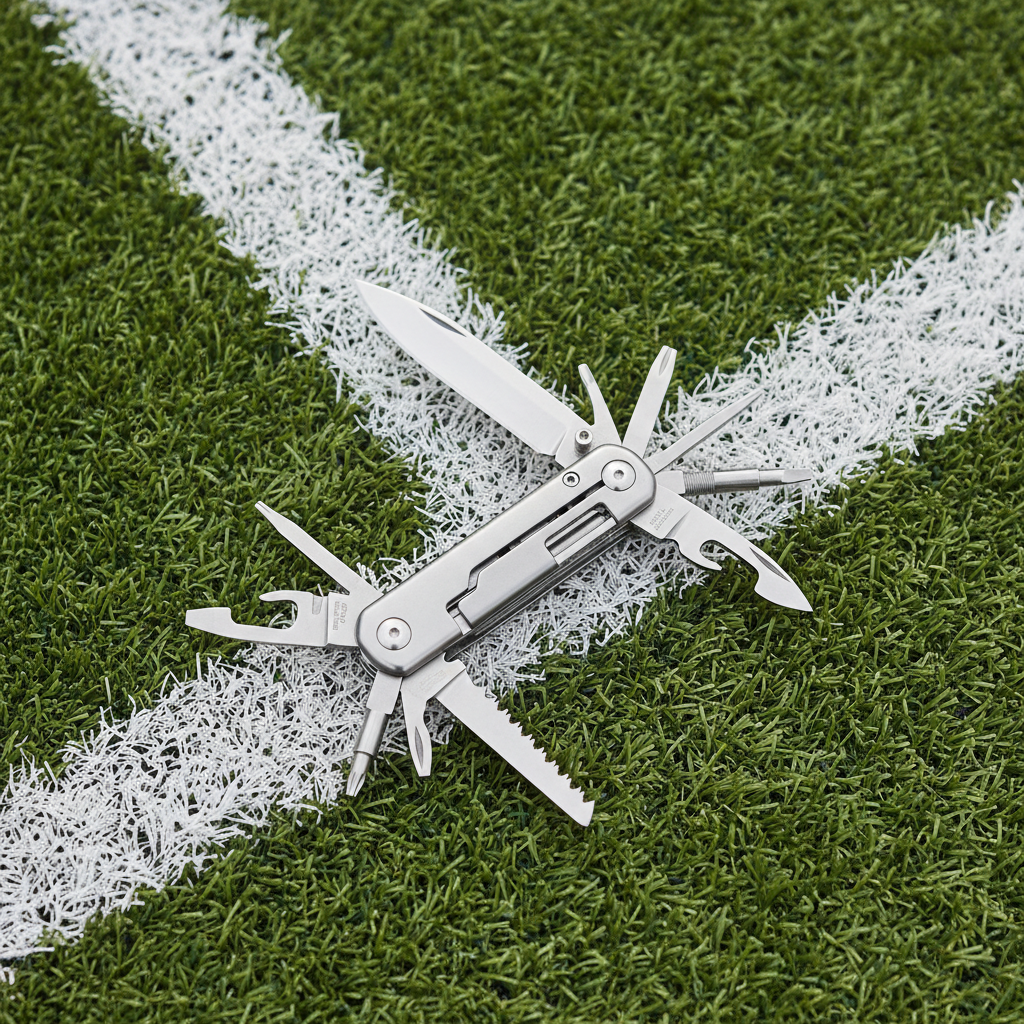
Most managers spend their time hunting for a 20 goal a season striker or a brick wall at center back. It makes sense. Those are the flashy positions that win games. But if you have played online football managers for more than a week, you know the real nightmare is the mid week injury crisis.
This is where the utility player comes in. Some games treat a player who can play right back and defensive mid as a godsend. Others make them so mediocre at both that they are basically useless. We looked at four popular titles to see who handles versatility best.
Top Eleven: The Special Ability Grind
In Top Eleven, versatility is something you often have to build yourself. While you can find players with dual roles in the scout list, the real depth comes from training new positions.
From my experience, having a player who can cover both DC and DMC is the gold standard here. The game engine rewards tactical flexibility during a match. If you are getting overrun in midfield, sliding a defender up without burning a substitution is a massive advantage.
However, there is a trade off. Training a second or third position consumes valuable green packs that could have gone into boosting raw attributes. You have to decide if that flexibility is worth a 5% drop in tackling or passing stats. In most competitive leagues, a dedicated specialist usually wins out, but every bench needs at least one multi role player for emergencies.
Football Manager Console and Touch: The Familiar Standard
When we look at the online versions of the FM ecosystem, position naturalness is king. A player might be able to play five positions, but if they are only "Competent" in four of them, their decision making suffers.
I have noticed that the engine heavily penalizes players who are out of their natural habitat. A wing back played at left wing might have the pace and crossing, but their off the ball movement often looks lost.
- Natural: Full performance, no hidden penalties.
- Accomplished: Minor dip in positioning and composure.
- Unproficient: Significant risk of tactical errors.
The real win in FM is finding the "Natural" in three spots. These players are rare and expensive, but they allow you to run a much smaller squad. This keeps your wage bill low and your squad harmony high because fewer people are sitting in the stands complaining about game time.
OSM: The Simplified Approach
Online Soccer Manager (OSM) takes a very different path. It is much more rigid. You have defenders, midfielders, and forwards.
You can play a fullback in the center, but the game does not really give you a "versatility bonus." It is mostly about the raw numbers. If a defender has a high attack stat, they perform better as a wing back in a 3-5-2 or 5-3-2.
In OSM, versatility is less about the player's card and more about how you use their secondary stats. A midfielder with a high defense stat is your de facto holding player. It is a simpler system, which is great for quick sessions, but it lacks the tactical satisfaction of moving a player across the pitch to shut down a specific threat.
Soccer Manager: The Attribute Balance
Soccer Manager feels like a middle ground. It tracks specific position ratings, but the physical attributes often carry the weight.
If you have a player with 90 pace and 85 crossing, they will do a job anywhere on the flank. The game seems to care more about the physical profile than the specific position tag. I have found that "Free Agents" in this game are often the best place to find these versatile veterans.
One mistake I see often is managers playing a versatile player just because they can. Just because a guy can play CM and ST does not mean he should lead the line. Usually, his finishing stats will be too low to be effective against a top tier defense. Use them as a bridge, not a foundation.
Which Game Does it Best?
If you love the granular detail of training a player to fit your specific 3-4-3 diamond, Top Eleven is the winner. The ability to manually assign a new role feels like true management.
If you want realism and the risk of a player getting confused by a new role, the FM series remains the top choice. It treats versatility as a rare gift rather than a standard feature.
OSM and Soccer Manager are better for those who want to focus on the big picture. You do not have to worry as much about a player's "comfort zone," which lets you focus on the transfer market and league standings.
Final Thoughts for Your Squad
No matter which game you are currently playing, your bench should always follow the 1-1-1 rule for utility players:
- One player who covers the entire back line.
- One player who can play anywhere in the midfield.
- One player who can play wing and striker.
This setup protects you against the random number generator of injuries without cluttering your squad with mediocre talent. Versatility is a safety net, not the main act. Build your team around specialists, but keep the Swiss Army knives ready for when things go wrong in the 70th minute.