
Defensive Fullbacks: Why Your Counter Attack Is Failing

Chris Miller·Oct 26, 2026
The Trap of Defensive Security
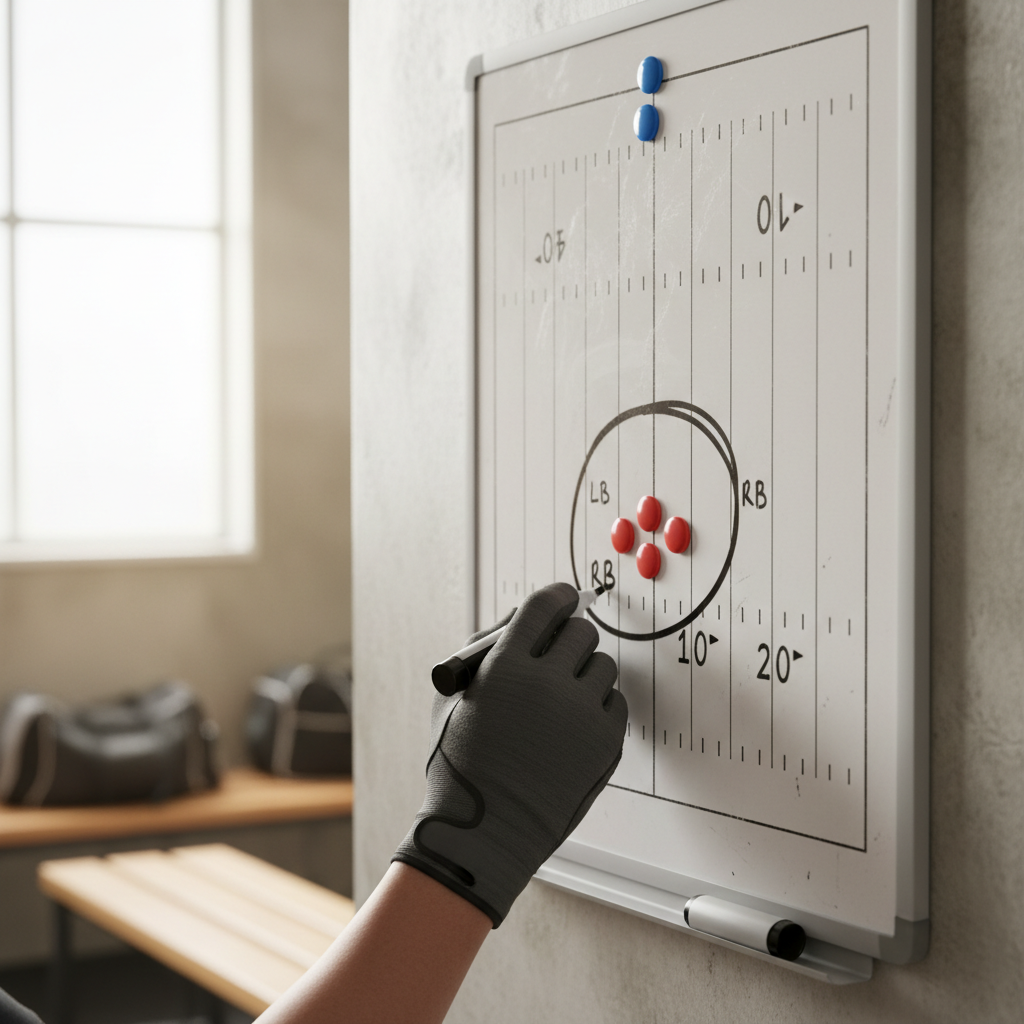
We have all been there. You are playing a top-tier opponent in your online football manager game and you feel the urge to park the bus. You look at your tactics screen and decide to set your fullbacks to 'Defensive' or 'Stay Back While Attacking'. It feels safe. It feels like you are building a wall that no winger can penetrate.
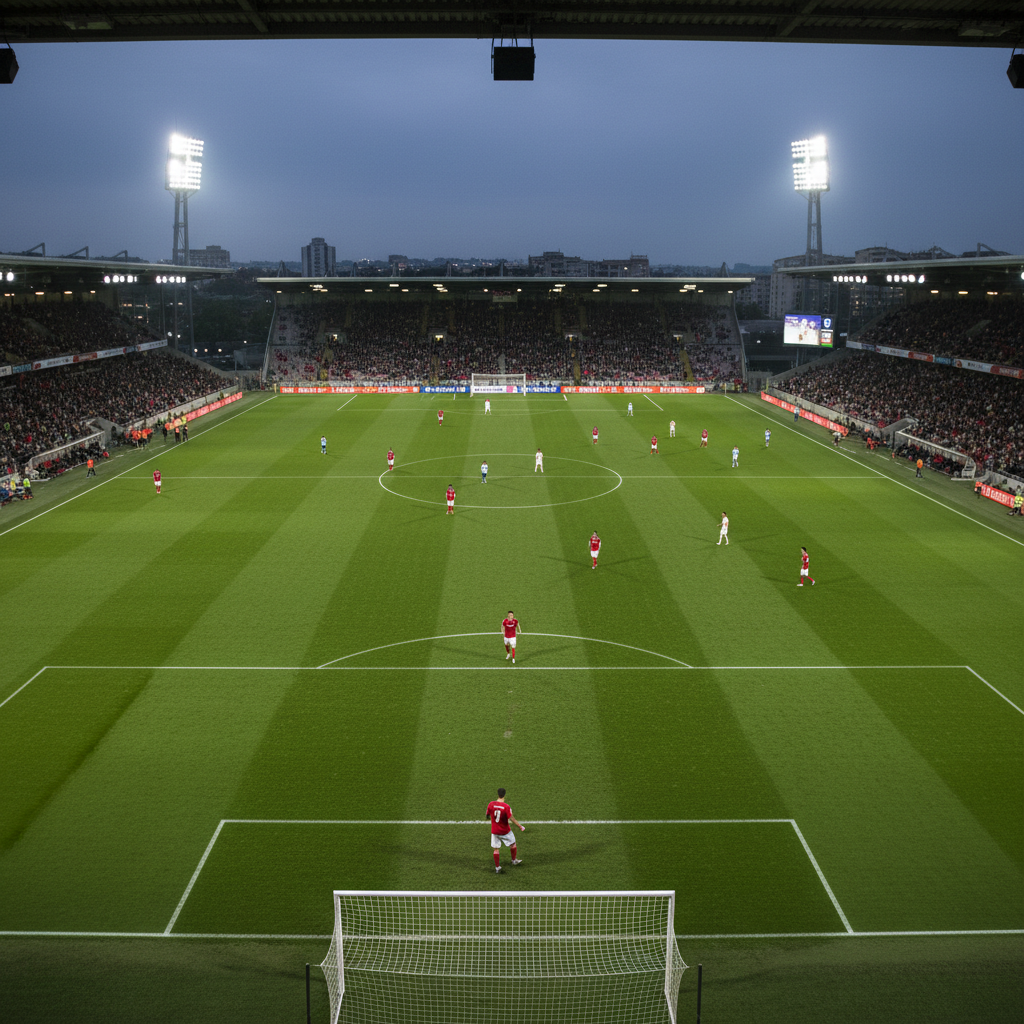
But then the game starts. Your team wins the ball back deep in your own half. Your central defenders look wide for an outlet, but nobody is there. Your wingers are isolated forty yards up the pitch. The counter attack dies before it even crosses the halfway line. This is the hidden cost of the ultra-defensive fullback.
In modern online football manager games, the transition phase is where most matches are won or lost. If you neuter your wide defenders, you are essentially playing with nine men every time you win the ball. Here is why that approach is likely costing you points.
The Missing Link in Transition
A counter attack relies on speed and passing lanes. When you win the ball, the opponent is usually caught out of position. Their fullbacks might be high up the pitch and their midfielders are likely pushing forward. This is your window of opportunity.
If your fullbacks are glued to the edge of your own penalty area, your goalkeeper or center backs only have two real options. They can hoof it long to a target man or try to play through a congested central midfield. Both are low-percentage plays.
An attacking fullback acts as the bridge. By pushing up just ten or fifteen yards, they provide a wide passing option that pulls the opposition's defensive shape apart. Without that wide outlet, the opponent can simply squeeze your central midfielders, force a turnover, and start their attack all over again.
Why Width Matters for Your Strikers
Most managers think the job of a fullback is just to defend. That is an old way of thinking. In games like Football Manager or Top Eleven, the width provided by a fullback creates the space your strikers need to breathe.
When a fullback overlaps, the opposition winger or fullback has to make a choice. Do they stay with your winger, or do they track the overlapping run? If they track the run, your winger can cut inside. If they stay with the winger, your fullback is free to cross the ball.
When you play defensive fullbacks, the opposition defense can stay narrow. They do not have to worry about the flanks because they know your defenders are not coming forward. They can double-team your star striker and negate your best attacking threat. You are making their job easy.
Common Mistakes When Setting Up Fullbacks
I have reviewed hundreds of tactical setups over the years. Most players who struggle with scoring goals fall into the same few traps. It is rarely about the strikers themselves; it is about the support system behind them.
- Setting both fullbacks to 'Defend': This is the quickest way to kill your offense. If you must be cautious, set one to 'Support' and one to 'Defend'.
- Ignoring Stamina: Many managers try to play attacking fullbacks with players who have low work rates or poor stamina. They get caught out of position and then the manager blames the tactic rather than the player choice.
- Static Roles: Using roles that do not allow for roaming or crossing. Even a standard 'Fullback' role on support is better than a 'Limited Fullback' who refuses to cross the halfway line.
The Psychological Barrier
There is a fear factor involved in changing your defensive settings. You worry that if your left back pushes up, you will be exposed on the break. This is a valid concern, but it is one you can manage with your midfield settings.
Instead of forcing your fullbacks to stay back, try using a defensive midfielder with a 'Half Back' or 'Anchor' role. These players will drop into the defensive line when you are attacking. This gives you a back three while your fullbacks provide the width you need to actually score goals.
Finding the Right Balance
You do not need to turn every defender into an marauding wing-back. That is the other extreme that leads to 4-4 draws. The goal is to find a middle ground where your fullbacks are active participants in the game.
Look for players with high 'Off the Ball' and 'Work Rate' stats. These players understand when to sprint forward and when to hold their position. In most online football manager game comparisons, the teams at the top of the ladder almost always use their fullbacks as secondary playmakers.
Testing the Change
If you are skeptical, try a simple experiment. Play five games with your fullbacks on 'Defensive'. Record how many shots on target you get and how many times you lose possession in the middle third. Then, switch them to 'Support' for five games.
What you will likely see is a dramatic increase in your 'Pass Completion' in the final third. Your wingers will suddenly find themselves in one-on-one situations because the defense is stretched. You might concede an extra goal over those five games, but you will likely score four or five more.
Conclusion: Stop Playing Scared
Online football manager games reward bravery. If you spend the whole match trying not to lose, you will eventually get broken down by a manager who is willing to take risks. Defensive fullbacks are a safety blanket that actually smothers your own team's potential.
Next time you are setting your lineup, look at your fullbacks. Ask yourself if they are helping you win the ball back, or if they are helping you win the match. There is a big difference between the two. Give them the license to move forward, and you might find that your counter attack finally starts producing the goals you have been missing.