
The Hidden Downside of Extreme Youth Training Focus

Chris Miller·Jun 29, 2026
The Allure of the Wonderkid

Every online football manager has been there. You load up a new save, look at your aging squad, and immediately start listing anyone over 28 on the transfer market. The goal is simple: clear the decks and bring in every 17 year old with a five star potential rating. On paper, it is the most logical way to play. You are building a dynasty that will dominate for a decade.
In reality, this approach is often the quickest way to get sacked. While youth development is a massive part of modern football management games, the obsession with extreme youth training has some serious flaws that most players only notice when their season starts falling apart in February.
The Leadership Void
When you fill your starting eleven with teenagers, you lose more than just experience. You lose the hidden attributes that keep a team steady. Most games have a mental stat for leadership or influence. If your average squad age is 19, nobody on the pitch knows how to handle a crisis.
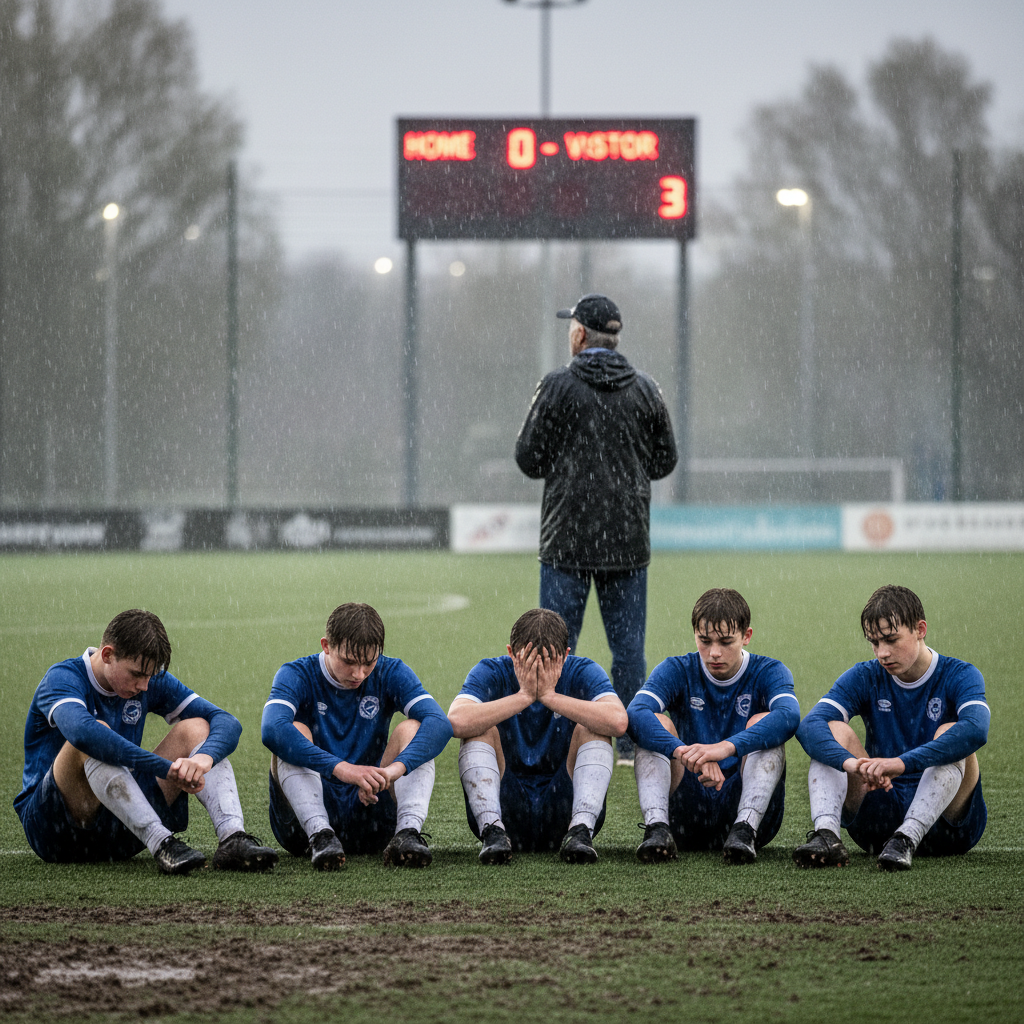
When you go 1:0 down in a cup final, a team of wonderkids often collapses. They do not have the composure to stick to the tactics. They start making rash challenges, their morale drops faster, and they struggle to regain control. You need that 32 year old center back who has seen it all before. He might be slow, but he keeps the kids from panicking.
The Physical Development Wall
We often forget that young players are not physically finished. If you push a 17 year old into a 50 game season with high intensity training, you are asking for trouble.
Extreme youth focus usually leads to a massive injury crisis by mid season. Their bodies simply cannot handle the load of a professional schedule yet. I have seen countless promising careers ruined because a manager played a kid every single week until his hamstrings gave out. Once those recurring injuries start, that five star potential starts to drop. You end up with a squad of players who are perpetually at 80 percent fitness.
The Consistency Problem
This is the most frustrating part of managing a youth heavy team. One week, your young striker scores a hat trick and looks like the next global superstar. The next week, he gets a 6.1 rating and disappears for three games.
Youth players are naturally inconsistent. They lack the tactical discipline to perform at a steady level every week. When you have one or two kids in the lineup, the seniors can cover for them. When you have eight, your team's performance becomes a roller coaster. You might beat the league leaders 4:0 on Tuesday and lose to the bottom club on Saturday. That is not how you win titles.
Tactical Inflexibility
Young players are still learning their roles. If you need to switch from a high press to a defensive mid block halfway through a game, teenagers often struggle to adapt. They are great at doing what they were trained to do, but they lack the tactical intelligence to read the game and adjust on the fly.
Senior players understand the nuances of the game. They know when to slow the tempo down, when to waste time, and when to take a professional foul. A squad of youth prospects usually knows only one way to play: full speed ahead. When that does not work, they do not have a Plan B.
The Financial Trap
It sounds counterintuitive, but focusing too much on youth can ruin your finances.
- Wage inflation: As soon as those wonderkids hit a few good patches of form, their agents will be at your door demanding massive pay rises.
- Replacement costs: If a wonderkid does not develop as expected, his resale value drops to almost zero.
- Facility costs: To make extreme youth training work, you have to spend millions on top tier coaching and facilities, which eats into your transfer budget for proven players.
Finding the Right Balance
The best managers do not ignore youth, but they do not worship it either. A healthy squad needs a mix. You want the energy of the kids balanced by the reliability of the veterans.
Try to keep at least three players over the age of 28 in your starting lineup. These are your anchors. They provide the mentoring that actually helps your young players grow faster anyway. Most games have a mentoring or tutoring mechanic where older players pass on personality traits to the younger ones. If you sell all your veterans, your kids never learn the right professional habits.
Next time you are tempted to sell your captain just because he turned 30, think twice. He might be the only thing keeping your wonderkids from a total meltdown when the title race gets tough.