Overloading Training Schedules: The Hidden Risk in FM Games

Chris Miller·Sep 20, 2026
The Trap of the Triple Session

Most of us start a new save with grand ambitions. We want the highest intensity, the most technical drills, and a squad that runs for 90 minutes without breaking a sweat. It feels logical. If you want to win, you have to work harder than the opposition. In the world of online football manager games, this logic is often the quickest way to get sacked by November.
I have seen it happen dozens of times. A manager takes over a mid-table side, cranks the training intensity to the maximum, and schedules three sessions a day. For the first three weeks, the attribute gains look incredible. Your young winger is gaining pace, and your center-backs are suddenly better in the air. Then the season starts, and the wheels fall off.
Why More Isn't Always Better
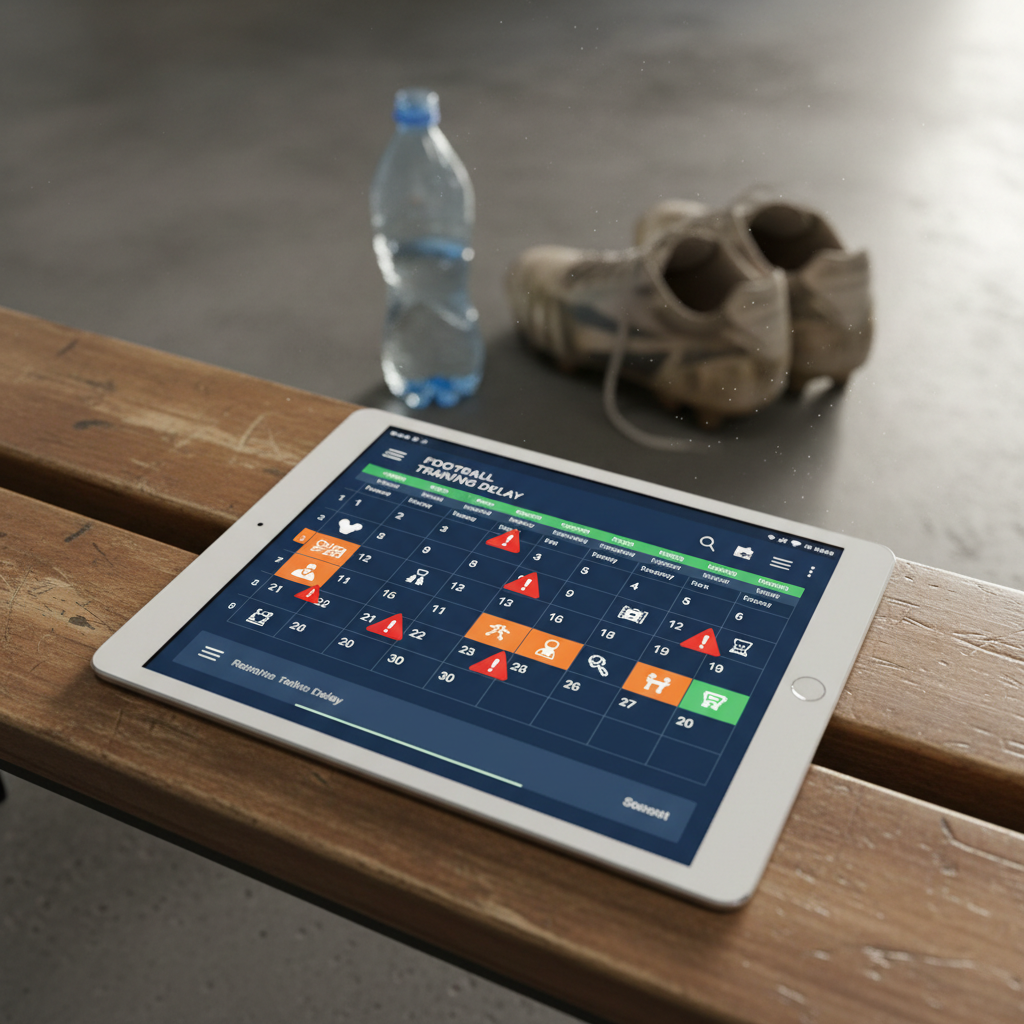
The reality is that most game engines today, whether you are playing a deep simulation or a browser-based manager, track hidden fatigue and injury risk. When you overload the schedule, you aren't just improving skills. You are burning through the physical reserves of your players.
What looks like a productive Tuesday morning session is actually a ticking time bomb for a hamstring pull. When players are constantly at their physical limit, their performance in actual matches drops. You might have the best-trained squad in the league, but if they are starting every game with 85% condition, they will lose to a less talented but fresher team every single time.
The Warning Signs of Overtraining
Identifying a schedule that is too heavy before it ruins your season is a vital skill. You shouldn't wait for a medical report full of six-week injuries to realize there is a problem. Look for these specific indicators in your squad screen:
- Condition drops between matches: If your players aren't returning to 100% fitness after two or three days of rest, your daily routine is too taxing.
- Stagnating match ratings: Players who are tired make more mental errors. If your reliable captain is suddenly missing easy passes, check his fatigue levels.
- High injury frequency in training: Muscle tears during a non-contact drill are a massive red flag that the intensity slider is too high.
- Negative social feedback: Some games include player happiness modules where squad members will literally complain about the workload.
Balancing Development and Recovery
The secret to a sustainable season is finding the sweet spot between growth and health. It is often better to have a player grow at 80% of their potential speed if it means they are available for 38 games a year. Availability is the most important ability in any manager game.
I usually recommend a front-heavy approach to training during the pre-season. This is the time to build that base fitness. Once the competitive matches start, especially if you have European fixtures or midweek cup ties, you have to back off. A light tactical session or a recovery day is often more valuable than a high-intensity attacking drill when you have a game every three days.
The Psychology of the Squad
Beyond the physical risks, there is a mental component to consider. Overloaded schedules can lead to burnout. In many online manager comparisons, we see that games are increasingly incorporating hidden 'morale' or 'sharpness' stats. A squad that is miserable because they spend ten hours a day on the training pitch will eventually stop playing for the manager.
It is a balancing act. You want them sharp, but you also want them hungry for the match. If the training ground becomes a place of dread, that atmosphere carries over into the stadium. I have found that giving the team an extra day off after a big win does more for the next result than an extra hour of set-piece practice ever could.
How to Fix a Broken Schedule
If you realize you have pushed too hard, don't just delete all your sessions. Transition slowly. Start by removing one physical session per week and replacing it with something low-impact, like tactical analysis or team bonding. Monitor the injury rates over the next fortnight.
You will likely see a temporary dip in attribute growth, but that is a price worth paying for a healthy starting eleven. The goal is to reach the final two months of the season with your best players fit and firing, while your rivals are struggling with a thin squad and tired legs. That is how titles are won.