
High Aggression Ratings and Late Game Penalties

Chris Miller·Aug 8, 2026·Updated Nov 6, 2026
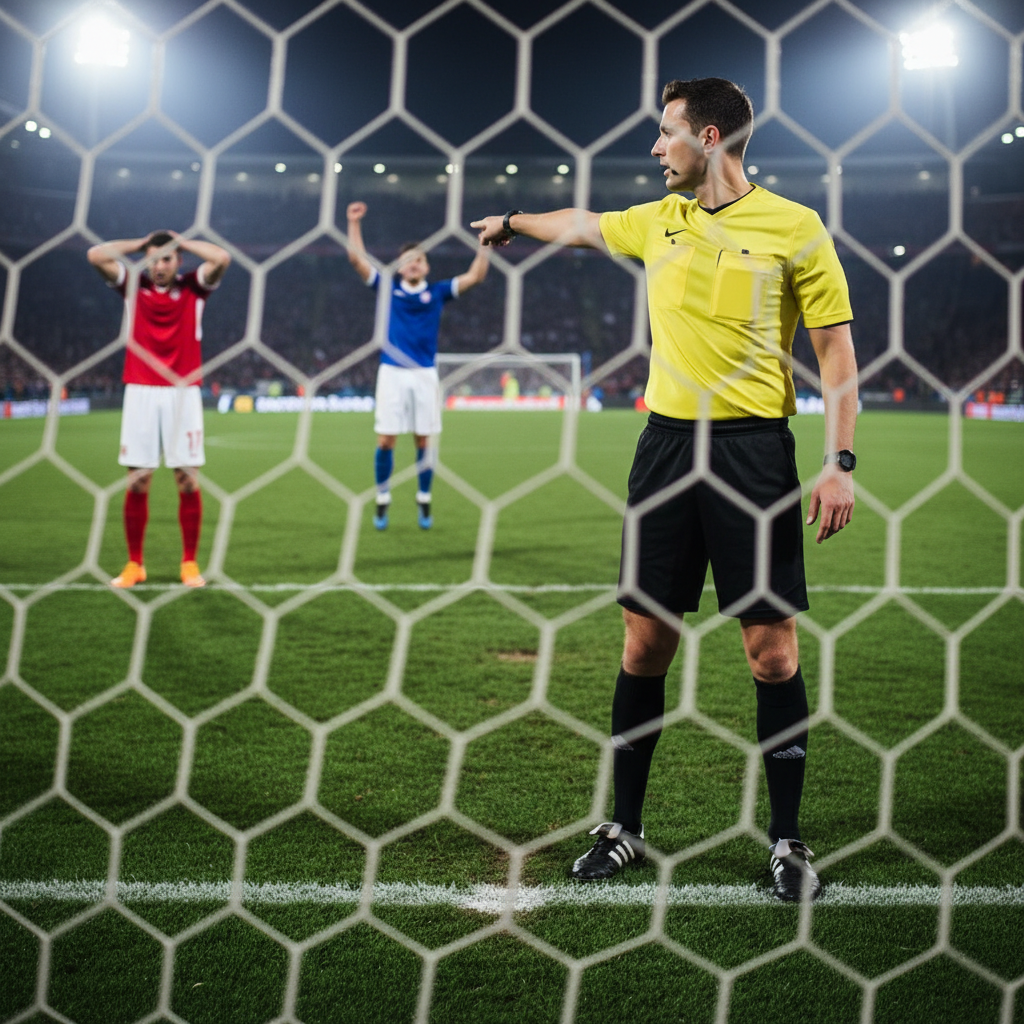
The 85th Minute Meltdown
You have seen it happen. Your team is up 1-0 against a top-tier rival. You have played a perfect high-press game for eighty minutes. Suddenly, your central defender flies into a reckless challenge near the corner flag. The referee pulls out a red card, you concede from the resulting set piece, and the win evaporates.
Most managers blame bad luck or a hidden "script" in the game engine. The reality is usually simpler. It is a direct conflict between your aggression settings and your players' dwindling stamina. When you understand how these two mechanics fight each other, you can stop the late-game collapse.
Why Aggression Scales With Fatigue
In most modern football managers, aggression is not a static stat. It is a modifier for how a player approaches a 50/50 ball. A high aggression rating tells the engine that the player should prioritize winning the ball over staying in position or avoiding a foul.
Here is what happens when the clock hits the 70th minute. As stamina drops, a player's technical attributes (like tackling and marking) begin to degrade. However, the aggression setting remains constant. You have a player who is now slower and clumsier but is still instructed to fly into tackles with 100% intensity.
That is a recipe for a late penalty. The player tries to make a tackle they no longer have the physical energy to execute cleanly. Because their aggression is set high, they do not back off. They commit, they miss the ball, and they take the man.
The Risk of the "Hard Tackling" Instruction
Many managers set "Tackle Harder" as a team-wide instruction to show dominance. While this works in the first half to rattle the opposition, it becomes a liability as the match progresses.
Consider these common triggers for late-game cards:
- The Frustrated Attacker: Strikers with high aggression and low tackling stats are notorious for picking up second yellows when trying to win the ball back high up the pitch late in the game.
- The Tired Wingback: These players cover the most ground. When they hit 60% condition, their ability to time a slide tackle drops significantly.
- The "Get Stuck In" Trap: Using this team instruction for the full 90 minutes is rarely a good idea unless you have a bench full of world-class replacements.
How to Manage the Risk
Managing aggression is about being proactive rather than waiting for the referee to reach for his pocket. You have to treat your tactics as a living document that changes as the players tire.
One effective strategy is the "Cool Down" phase. Around the 70th minute, if you are leading or even chasing a draw, look at your players who are already on a yellow card. Manually drop their individual tackling intensity to "Easy" or "Normal." Even if their natural aggression is high, this specific instruction tells the engine to be more selective about when to dive in.
Using Substitutions Wisely
We often use substitutions to bring on fresh legs for the attack, but your most aggressive, tired defensive players are often the ones who need to come off first. A fresh substitute with mediocre stats is often safer than a world-class defender who is exhausted and playing with high aggression. The fresh player has the physical capacity to stay on their feet and make a clean standing tackle.
Finding the Sweet Spot
It is tempting to just turn aggression down to zero to avoid cards, but then you lose the edge that wins the ball in midfield. The goal is to match your aggression to your tactical setup. If you play a deep block, you can afford higher aggression because your players are covering less distance and staying fresher. If you play a high-intensity press, you must be prepared to dial it back as the game nears its end.
Next time you see your team start to tire, don't just watch the stamina bars. Check your instructions. Lowering the intensity for those final fifteen minutes might be the difference between three points and a frustrating draw.