
Aggression Stats: Why High Values Cause Suspension Streaks

Chris Miller·Aug 19, 2026

The Hidden Cost of the Hard Man
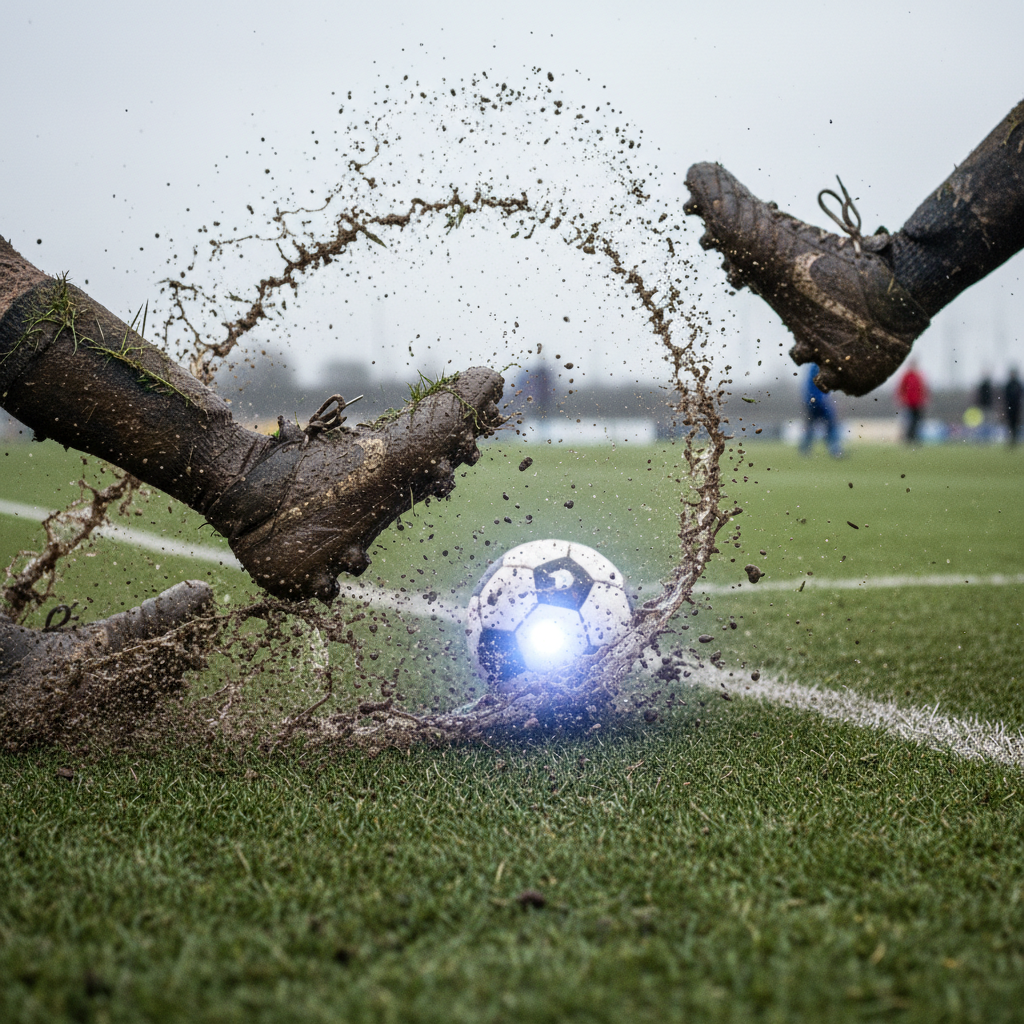
Every manager has been there. You find a central defender with incredible tackling, strength, and a work rate that never quits. You think you have found the missing piece of your defensive puzzle. Then the season starts. By November, your star signing has missed four games through suspension and just picked up a straight red in a local derby.
Aggression is a misunderstood beast in most online football manager games. While it helps your players win 50/50 balls and dominate the midfield physically, there is a tipping point. When aggression crosses into the red zone, it stops being a defensive asset and starts becoming a liability for your entire squad rotation.
How Aggression Triggers the Referee
Most game engines use a hidden calculation to determine if a foul occurs. This usually weighs the player's tackling skill against the opponent's dribbling. However, the aggression stat acts as a multiplier for risk. A player with 95 aggression is far more likely to attempt a slide tackle when a standing tackle would have sufficed.
When a player constantly lunges in, the probability of a booking skyrockets. It is not just about the individual foul. Many engines track 'persistent infringement' during a match. If your defensive midfielder keeps nipping at heels, the referee loses patience. That is how a minor foul turns into a second yellow card in the 70th minute.
The Suspension Snowball Effect
Suspensions do more than just sideline one player. They tear apart the tactical familiarity you have spent weeks building. When your primary ball winner sits out for three games, you are forced to play a backup who might not have the same chemistry with the rest of the back four.
This leads to a specific set of problems:
- Decreased defensive cohesion as backups rotate in and out.
- Increased fatigue for other starters who have to cover more ground.
- Loss of tactical bonuses if your game uses a 'minutes played together' mechanic.
- Wasted training slots because suspended players often gain less experience.
I have seen entire seasons derailed because a manager relied on three high-aggression players in the spine of the team. One gets a red, the other two pick up their fifth yellow in the same week, and suddenly the reserve team is playing against the league leaders.
Balancing Stats for Stability
If you want to avoid these streaks, you need to look for a balance. A player with high tackling but moderate aggression is usually a safer bet for long-term league success. They will still win the ball, but they do it with timing rather than brute force.
Look at your player's hidden traits or mental attributes too. Traits like 'Dives into Tackles' combined with high aggression is a recipe for disaster. If you already have a hot-headed star, you might need to adjust your team instructions. Setting that specific player to 'Stay on Feet' or 'Ease Off Tackles' can mitigate the risk, though it might slightly reduce their defensive impact.
The Reality of Tactical Trade-offs
There is a place for aggression. In a one-off cup final, you might want your team to be as physical as possible to disrupt a technical opponent. But over a 38-game season, consistency is king. The best managers are not the ones with the most aggressive teams. They are the ones who can keep their best eleven on the pitch for the most minutes.
High aggression leads to unpredictability. In a game of numbers and probabilities, unpredictability is rarely your friend. If you are tired of seeing the red card icon next to your best players, it might be time to scout for some calmer heads. The spreadsheet usually shows that a slightly 'weaker' player who is always available is worth more than a superstar who spends half the year in the stands.