
Why High Bravery Stats Cause Mid-Season Injury Crises

Chris Miller·Aug 18, 2026
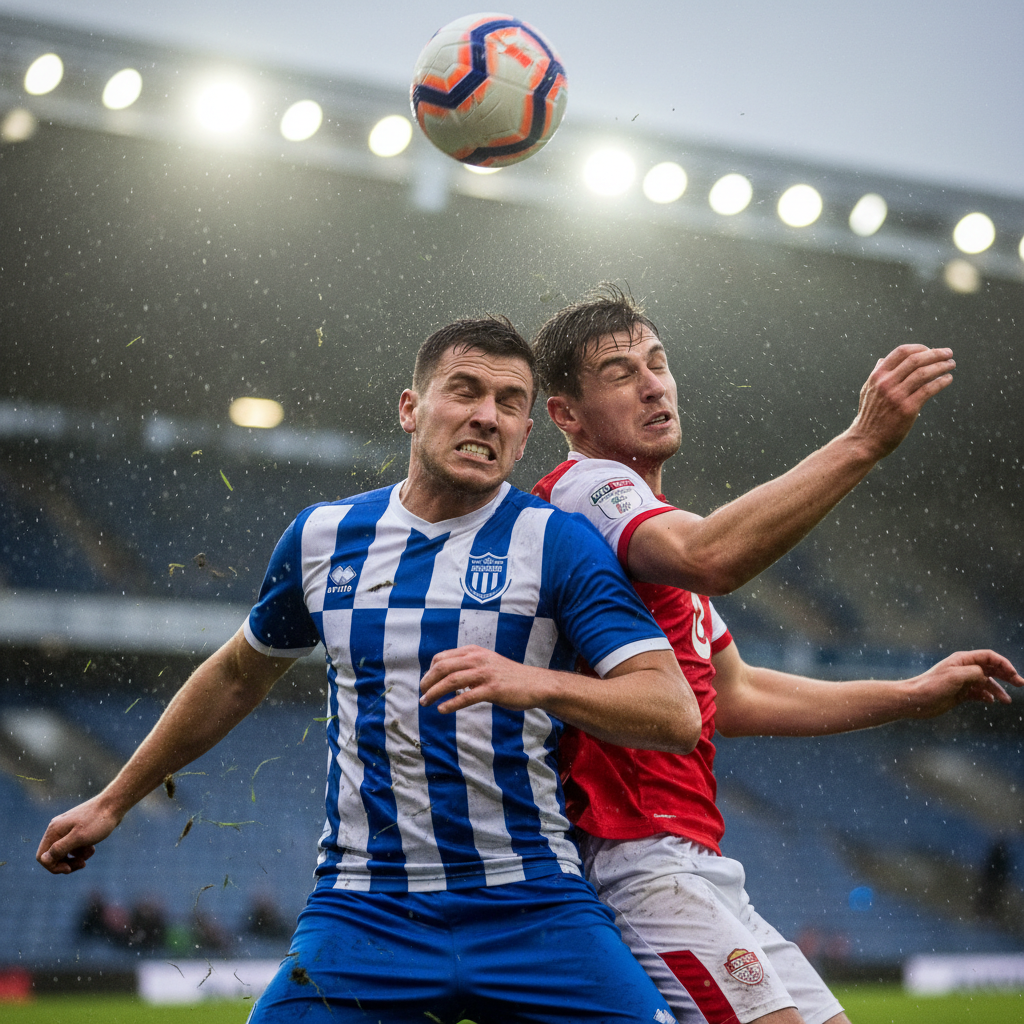
The Hidden Cost of Courage

You've finally found him. The perfect center back. He has 19 bravery, 18 tackling, and he's a natural leader. You slot him into your starting eleven, and for three weeks, he's a brick wall. Then November hits. The rain starts, the fixtures pile up, and suddenly your star defender is out for three months with a fractured leg. Two weeks later, your high-bravery defensive mid follows him into the medical center with a torn ligament.
Most managers look at their training intensity or their physio's attributes when an injury crisis hits. While those matter, the culprit is often staring you right in the face in the player profile. Bravery isn't just a mental stat that helps you win headers. It's a risk modifier that dictates how often your players put their bodies in harm's way.
How Bravery Works Under the Hood
In most online football manager games, bravery represents a player's willingness to engage in situations that might result in physical pain or injury. Think of it as a lack of self-preservation. A player with low bravery will pull out of a 50/50 challenge if they think they'll get hurt. A player with high bravery will dive headfirst into a flurry of boots to block a shot.
This sounds great for your win percentage, but it's a nightmare for your medical staff. Every time a player engages in a high-risk animation or calculation, the game checks for a collision. High bravery increases the frequency of these checks. If your squad is full of "warriors," you're essentially rolling the injury dice twice as often as your opponents.
The Mid-Season Fatigue Trap
The reason these injuries peak in December and January isn't just bad luck. It's the intersection of bravery and condition. When a player's fitness drops below 90%, their injury susceptibility increases. However, a high-bravery player doesn't know how to take it easy.
Even when they're exhausted, they'll still attempt that lunging tackle or that diving header. A more cautious player might stay on their feet, conceding the space but staying healthy. The brave player wins the ball, but their tired muscles can't support the impact. That's how a simple collision turns into a season-ending disaster.
Identifying the High-Risk Profiles
Not every brave player is a liability, but certain combinations are recipes for disaster. You need to look for these red flags during your scouting process:
- High Bravery + Low Natural Fitness: These players will put their bodies on the line but won't recover quickly from the micro-traumas they sustain.
- High Bravery + Aggression: This player will actively seek out physical confrontations, multiplying the number of injury checks per 90 minutes.
- High Bravery + Low Balance: If a player is willing to dive into challenges but lacks the stability to land safely, they're much more likely to twist an ankle or knee.
Managing Your Squad Warriors
You don't have to sell every brave player, but you do have to manage them differently. If you have a player with a bravery stat over 16, they shouldn't be playing three games in a week during the winter period. The risk is simply too high.
I've found that setting specific player instructions can help. For your bravest players, consider telling them to "Stay on Feet" rather than "Get Stuck In." This doesn't negate their bravery entirely, but it limits the number of times they're flying through the air or sliding across the turf. It keeps them in the game longer by reducing the sheer volume of impacts.
The Scouting Trade-off
When we compare players in our reviews, we often talk about the "Complete Defender." In theory, that defender has 20 bravery. In practice, a defender with 12 or 13 bravery might be more valuable over a 38-game season. They might lose one or two headers that lead to goals, but they'll be available for 35 games instead of 20.
It's a hard pill to swallow for managers who love grit and determination. We want players who would die for the badge. But the reality of online football management is that the best ability is availability. If your squad is consistently falling apart in January, stop looking at the training ground and start looking at how many "hard men" you've signed.
Balancing the Squad Mentality
A balanced squad needs a mix. You want one or two high-bravery players in key positions, like your center back or a holding midfielder, to set the tone. But if your wingers and attacking midfielders also have high bravery, you're just asking for trouble. Those players are often lighter and have lower strength, making them even more vulnerable when they try to be heroes.
Try to build a core of players with moderate bravery (10 to 12). These players are professional enough to compete but smart enough to stay out of the treatment room. It might not look as impressive on the attribute screen, but your league position in May will thank you for it.