Why High Determination Stats Backfire During Losing Streaks

Chris Miller·Aug 21, 2026

The Hidden Risk of High Determination
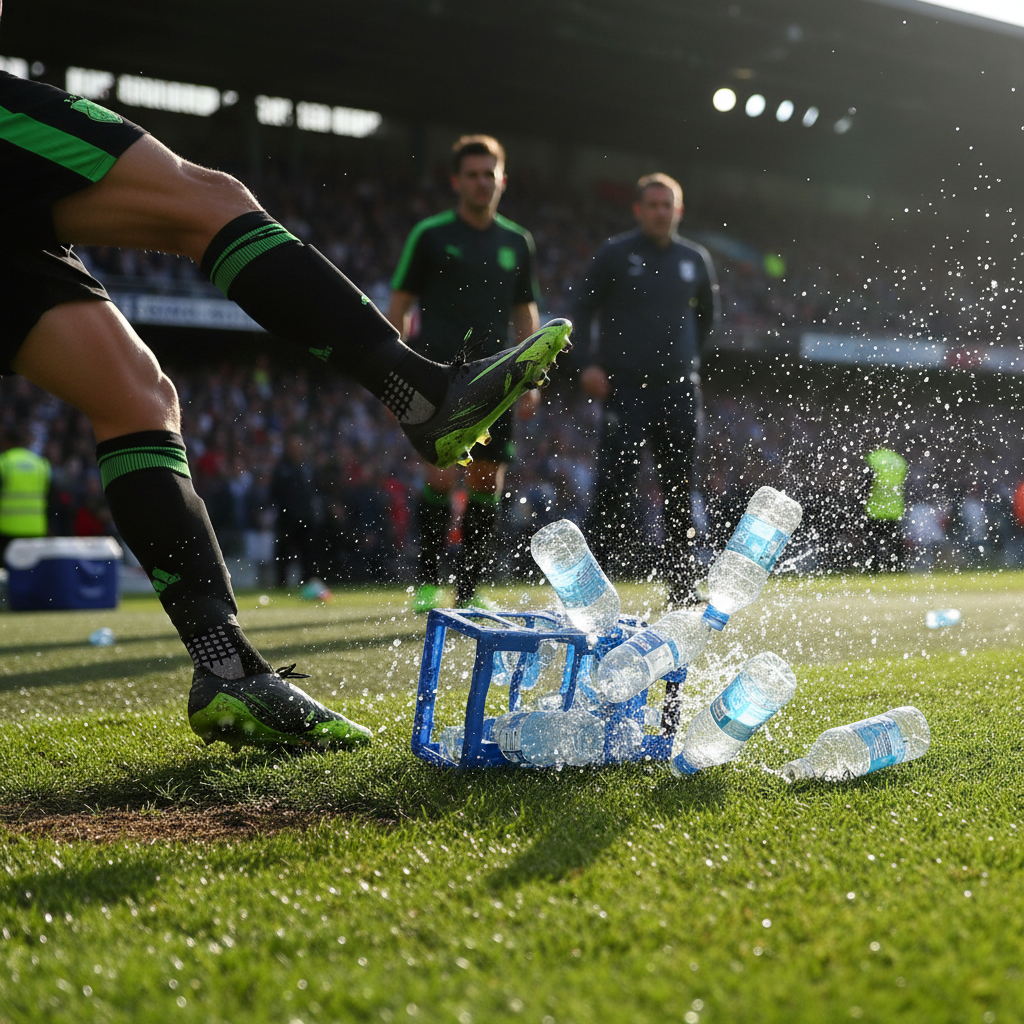
Every online football manager looks for that one specific trait when scouting a new midfielder or striker: determination. We've been taught for years that a player who refuses to give up is the backbone of a title winning side. It makes sense. You want guys who will fight for the badge when you're 1-0 down in the 88th minute.
But there is a side to this stat that most reviews and guides don't talk about. When your team hits a genuine slump, those high determination numbers can actually accelerate your downfall. It sounds counterintuitive, but I've seen it happen across multiple game engines. The very trait that helps you win can be the thing that destroys your squad harmony during a losing streak.
The Psychology of the Determined Player
In most management sims, determination isn't just about how hard a player runs. It's a measure of their mental resilience and their reaction to adversity. When things are going well, a determined player pushes the rest of the team. They demand higher standards.
However, when you lose three or four games on the bounce, that drive turns into frustration. A player with a determination score of 18 or 19 doesn't just feel sad about a loss. They feel insulted by it. They expect to win, and when the reality of the pitch doesn't match their expectations, their morale drops faster than a low-determination player who might just be happy to collect a paycheck.
The Dressing Room Infection
Here is how the backfire usually happens. You have a captain with elite mental stats. You lose a couple of winnable games. Because that captain has such high expectations, their individual morale tanks. In many modern football manager games, morale is contagious.
If your most influential players are miserable because they can't handle losing, that misery spreads to the youngsters. I've noticed that squads with average determination (around 12 to 14) often weather storms better than "elite" squads. The average players are more likely to stay "okay" while the superstars become "abysmal".
Why Tactical Changes Fail During Slumps
When you're in a rut, the first instinct is to tweak the tactics. You might drop the defensive line or try to play more direct. For a player with low determination, they might just follow the instructions. But highly determined players often have high "hidden" traits like controversy or ambition.
When a high-determination player loses faith in the system during a losing streak, they start trying to do everything themselves. Your disciplined tactical structure falls apart because your star player is trying to win the game single-handedly to satisfy their own need for success. They stop passing. They take long shots. They leave their position.
Signs Your High Determination Stars are Revolting
It isn't always obvious that the mental stats are the problem. You might blame your tactics or a bad run of injuries. Look for these specific behaviors in your match engine and squad screens:
- Players with the highest determination showing "Red" or "Very Poor" morale first.
- Star players ignoring tactical instructions to "Shoot Less Often".
- Post-match feedback indicating players are "frustrated" or "lacking focus" despite their high mental ratings.
- A sudden drop in training ratings from your most determined players.
- Negative reactions to "Calm" or "Productive" team talks.
How to Manage the Fallout
If you find yourself stuck in this trap, you have to change your management style. The standard advice of "assertive" or "aggressive" team talks usually fails here. If you shout at a highly determined player who is already angry about losing, you'll lose them forever.
Instead, you need to lower the stakes. I've found that using "No Pressure" or "Reluctant" instructions in pre-match talks helps settle these high-strung players. You're effectively trying to trick their brain into stop caring so much about the outcome for ninety minutes so they can actually play football again.
The Balancing Act in Recruitment
Does this mean you should stop buying determined players? Not at all. You need them to win trophies. But you shouldn't build a squad where every single player is a high-determination "warrior".
You need a few "level-headed" or "professional" players with moderate determination. These are the guys who stay steady. They don't get too high when you win, and they don't fall into a deep depression when you lose. They act as a buffer in the dressing room, preventing the elite players from dragging the whole squad's morale into the gutter.
Conclusion
Winning is easy. Managing a winning team is even easier. The real test of an online football manager is how you handle the three weeks where nothing goes right. If you've stacked your team with nothing but high-determination players, you're essentially playing with a squad of glass cannons. They are brilliant until they crack, and once they crack, the shards get everywhere.
Next time you're comparing two players on the transfer market, don't just automatically pick the one with the higher determination. Look at their personality. A "Fairly Professional" player with 14 determination might actually be more valuable during a mid-season slump than a "Perfectionist" with 20. It's about balance, not just maxing out the numbers.