
Why High Influence Stats Ruin Your Team Cohesion

Chris Miller·Aug 20, 2026
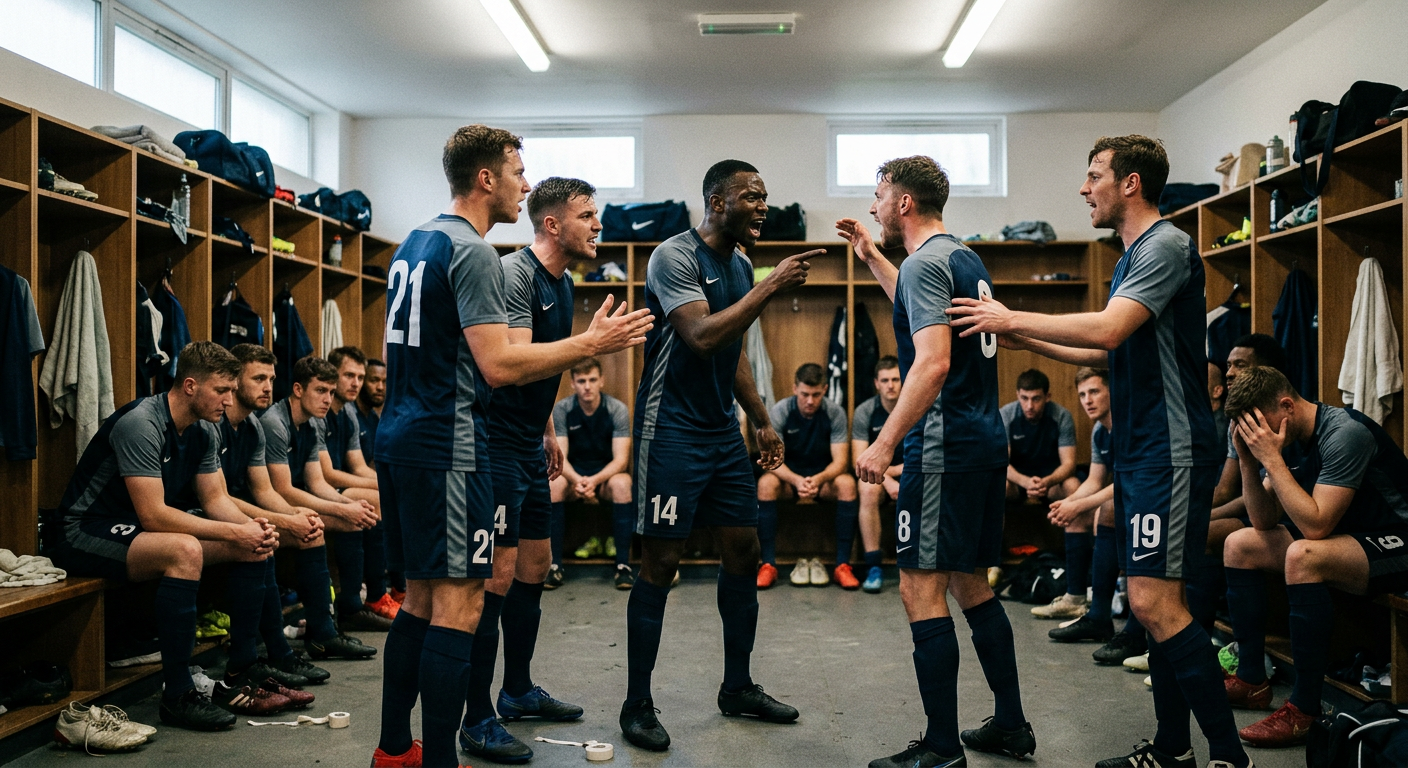
The Hidden Trap of the Leadership Stat

Most managers in online football games have a specific habit. They scout for players with high influence, leadership, or determination stats. The logic seems solid. You want winners. You want players who can drag the team through a difficult away match or keep their heads when the star striker gets sent off.
But there is a tipping point. When you stack a locker room with five or six natural leaders, you aren't building a resilient squad. You are building a powder keg. In many of the most popular football simulations, the influence stat isn't just a bonus for performance. It is a weight that shifts the social hierarchy of your digital club.
The Battle for the Armband
Every team needs a hierarchy. When you have a clear captain and a couple of supporting leaders, the rest of the squad follows the tactical plan. The game engine calculates cohesion based on how well players fall into line.
When you introduce too many high influence players, they start competing for social space. You might notice your team cohesion bar dropping even though you are winning games. This happens because the game sees multiple players trying to lead the same social group. It creates friction. In practice, this looks like unexplained dips in form or players becoming unhappy with their playing time much faster than usual.
High influence players expect to play. They expect to be heard. If you have a bench full of leaders, you have a bench full of problems.
How Cohesion Actually Works
Cohesion isn't just about how long players have been together. It is a calculation of personality types and social influence. If you look at the backend of most manager games, cohesion affects several key areas:
- Interception and passing accuracy during high pressure moments.
- The speed at which new signings integrate into the tactical system.
- How quickly the squad recovers from a losing streak.
- The severity of locker room revolts when a player is sold.
If your cohesion is low because of an influence imbalance, your players will hesitate. That split second delay in a passing sequence is often the difference between a goal and a turnover. You might blame your tactics, but the issue is actually in the social dynamics of your squad screen.
The Alpha Male Problem
Think about your current save. You probably have that one veteran defender with 19 influence. He is the heart of the club. Then, you see a 23 year old midfielder on the transfer list with 18 influence. He is a bargain. You buy him, stick him in the starting eleven, and suddenly your veteran defender's morale drops to 'Concerned'.
This isn't a glitch. The new player is challenging the established social order. If you do this three or four times in two seasons, you end up with a fragmented locker room. The players split into small groups rather than one cohesive unit. In match engines, this often manifests as poor positioning. Players don't trust their teammates to cover the gaps, so they move out of position to do it themselves.
Balancing the Personalities
To keep your cohesion high, you need to recruit for balance, not just raw stats. A successful squad usually follows a specific structure. You want one or two 'General' types, a handful of 'Professional' followers, and then the younger players who are still developing their personalities.
If you find yourself with too many leaders, it might be time to sell. It sounds counterintuitive to sell a player with great mental stats, but if they are sitting on the bench and causing the cohesion to tank, they are costing you points. Look for players with high 'Teamwork' but moderate 'Influence'. These are the players who carry out your instructions without trying to run the locker room themselves.
Spotting the Warning Signs
How do you know if your influence stats are the problem? Check your social hierarchy screen. If you see multiple players in the 'Highly Influential' bracket who aren't your captain or vice captain, you are in the danger zone.
You might also notice that team talks have less impact. If the squad is divided, a 'Demand More' shout might work for half the team but alienate the other half. This inconsistency is a classic sign that you have too many competing voices in the dressing room.
The Reality of Squad Building
It is tempting to collect the best players available. We all want a team of superstars. But the best online football managers understand that a team of eleven leaders will rarely beat a team of eleven players who know their roles.
Cohesion is the invisible stat that multiplies your tactical effectiveness. If you sacrifice it for the sake of a few high influence ratings, you are making the game harder for yourself. Next time you are scouting, look for the quiet professionals. They might not have the flashy leadership stats, but they are the ones who will keep your win streak alive by simply doing their jobs and letting the captain lead.