High Pressing Tactics and Midfield Stamina Ratings

Chris Miller·Sep 26, 2026

The Hidden Cost of the Heavy Metal Press
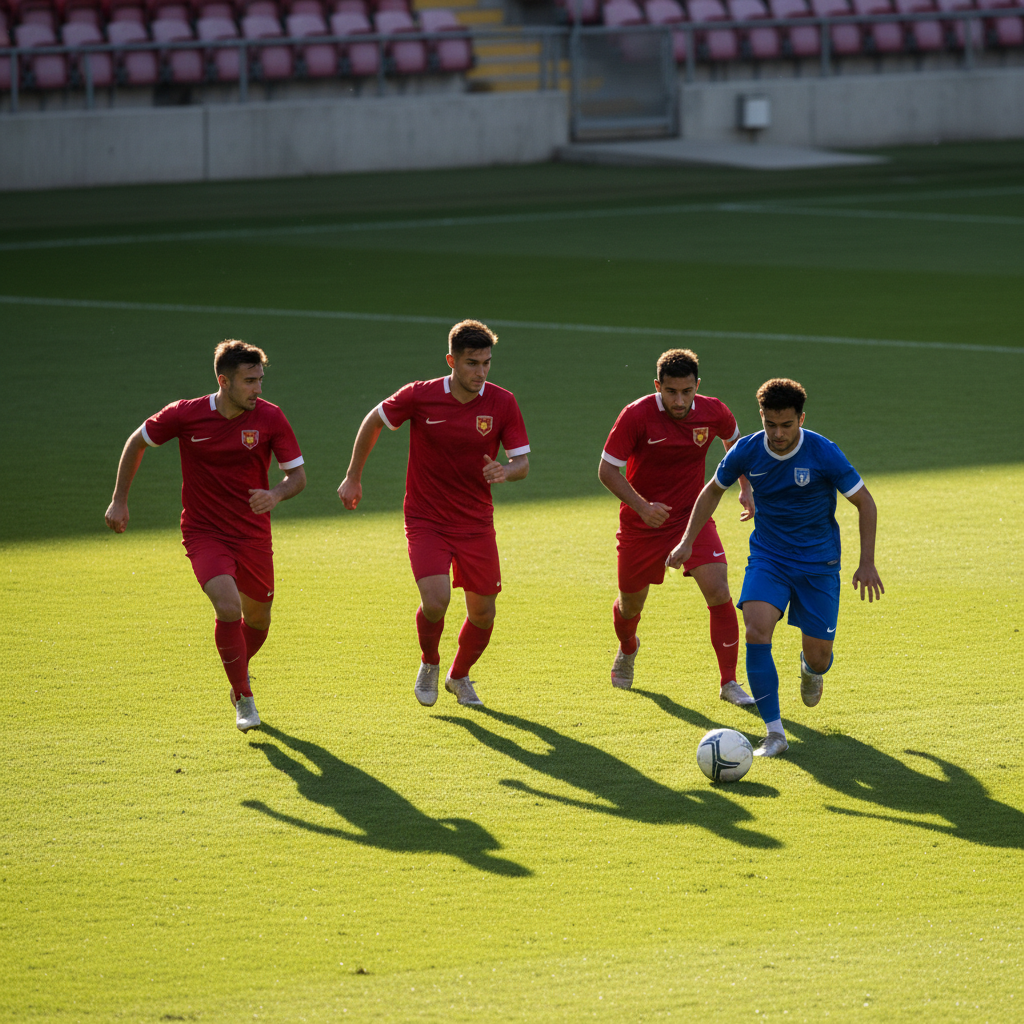
Every manager wants to see their team hunt in packs. It looks great on the highlights when your central midfielder nicks the ball 25 yards from the opponent's goal and sets up a tap in. In the world of online football manager games, the high press is often the go to tactic for players who want to dominate possession and keep the pressure on.
But there is a massive trade off that most casual players ignore until they see their star playmaker hobbling at a 45% fitness rating by the hour mark. High pressing is not just about setting a slider to maximum intensity. It is a physical tax that your midfielders pay every single minute the ball is in play. If you do not manage this, your tactical masterclass will fall apart in the final twenty minutes.
Why Distance Covered Matters
In most modern simulations, stamina is not a static number. It is a resource that burns at different rates based on the instructions you give. When you tell a midfield trio to press high, you are asking them to close down space immediately. They are not just jogged into position. They are sprinting to shut down passing lanes and harass the man on the ball.
Midfielders already have the hardest job. They cover the most ground in a standard match. When you add a high press, you increase their total distance covered by 15% to 20%. That extra distance is almost entirely made up of high intensity bursts. In game terms, this means your stamina bar does not just tick down, it plummets.
The Recovery Gap
One thing many managers miss is the recovery phase. When your team wins the ball back through a high press, they usually transition into a fast break. This means the same midfielder who just spent ten seconds sprinting to win the ball now has to sprint forward to support the attack.
There is no downtime. In a lower block system, a midfielder might get thirty seconds of low intensity movement while the opposition passes the ball around the back. In a high press, that downtime is gone. The heart rate stays high, the lactic acid builds up in the simulation engine, and the stamina rating takes a permanent hit for the rest of the match.
Key Factors That Drain Your Midfielders
If you are wondering why your players are gassed so early, look at these specific tactical triggers:
- Closing Down Intensity: Setting this to 'Always' or 'Extreme' forces players out of position, requiring longer recovery runs.
- Tight Marking: This forces midfielders to stick to opponents like glue, meaning they move every time the opponent moves.
- Pitch Dimensions: Playing a high press on a large pitch is suicide for stamina ratings. There is simply too much grass to cover.
- Low Natural Fitness Attributes: A player can have 20 for passing, but if their natural fitness is 8, they will be useless in a pressing system after halftime.
- Aggression Settings: High aggression leads to more lunging and physical duels, which drains energy faster than tactical positioning. 0
The Tactical Fallacy of 'More is Better'
There is a common mistake in online manager communities where people think more pressing equals more wins. It is actually the opposite. The most effective managers use 'Trigger Pressing'. This is where the team only hunts the ball when it enters a certain zone or when a specific opponent (like a slow centre back) has the ball.
When you leave the press on 'Maximum' for 90 minutes, you are essentially asking your midfielders to run a marathon at a sprinter's pace. By the 75th minute, your tired midfielders will start missing tackles. They will leave gaps behind them. Suddenly, a team you were dominating for an hour is walking through your midfield because your players literally cannot move their legs fast enough to close the gaps.
Attributes That Save Your Season
If you are committed to this style of play, you cannot just buy the flashiest players. You need workhorses. Look for players with high ratings in work rate, teamwork, and stamina.
Work rate determines how willing a player is to actually follow your pressing instructions. Stamina determines how long they can do it. Teamwork is crucial because it ensures they press as a unit. If one midfielder presses and the other two stay deep, the one who pressed just wasted a huge chunk of energy for nothing. They ran into a dead end, and the opponent just passed around them.
How to Manage the Burn
If you notice your midfield ratings dropping into the red too early, you have to be proactive. Do not wait for the 80th minute to make changes.
First, consider your substitutions. In a high pressing system, your two most active midfielders should almost always be replaced around the 60 or 65 minute mark. Fresh legs against a tired opposition can be a game changer.
Second, use tactical presets. Have a 'Rest with the Ball' tactic. Once you are two goals up, drop the pressing intensity down. Let the opponent have the ball in their own half. Your players will thank you, and they will be much fresher for the next game in three days.
The Impact on Training and Injuries
It is not just about the match day. Constant high pressing has a cumulative effect on your squad. Players who finish matches with very low stamina ratings are significantly more likely to pick up 'overuse' injuries like pulled hamstrings or calf strains.
If your medical report is always full, your tactics are likely the culprit. You might be winning the tactical battle on Saturday, but you are losing the season by destroying your squad's physical condition. Balance is everything. A smart manager knows when to turn the pressure up and, more importantly, when to let his players breathe.