
High Pressing Tactics: Why Small Squads Burn Out Early

Chris Miller·Oct 8, 2026

The Allure of the High Press
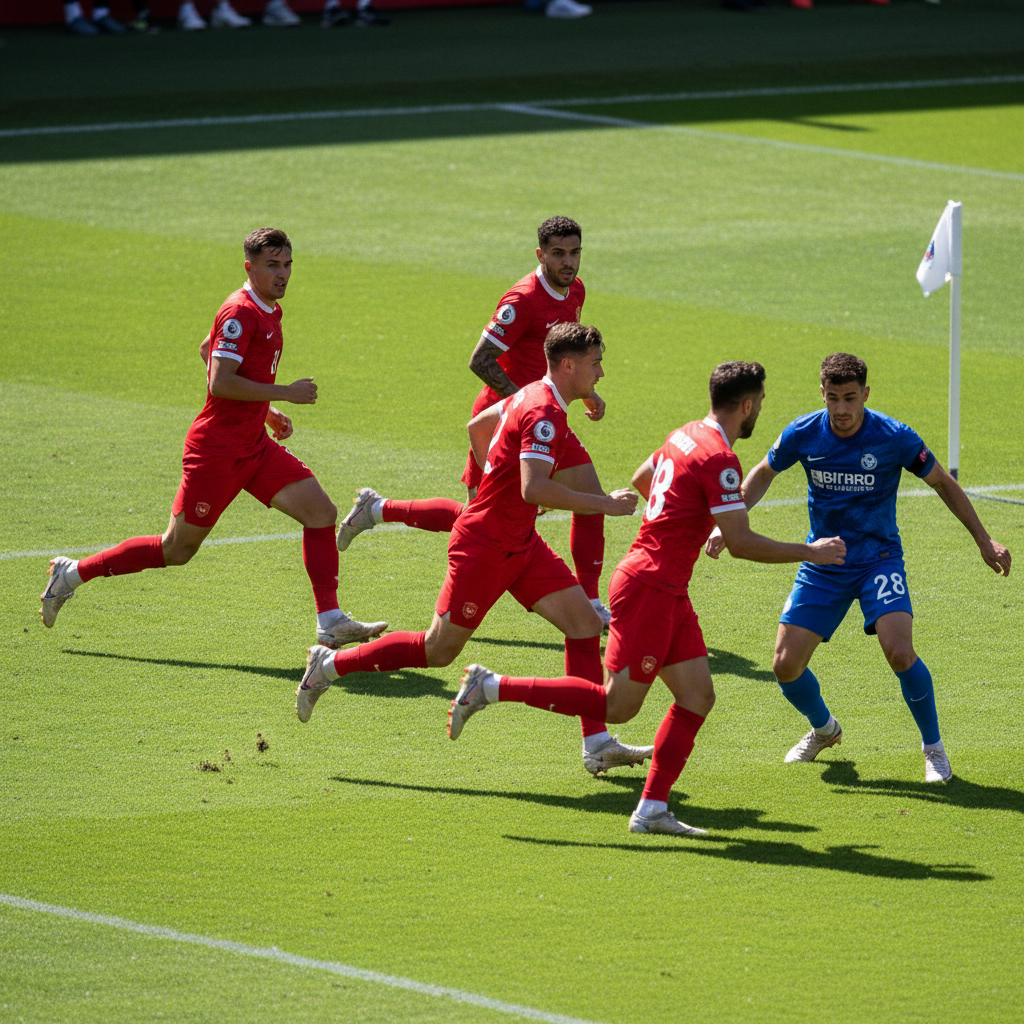
Every online football manager wants to see their team dominate. We all watch modern tactical masters and think we can replicate that suffocating pressure in our own saves. It looks great on paper. You win the ball back high up the pitch, catch the opposition in transition, and create high-quality chances without needing complex build-up play.
In most online football manager games, the high press is a powerful tool. It forces mistakes from lower-rated defenders and keeps the ball far away from your own goal. But there is a hidden cost that many players ignore until their season starts falling apart in February. That cost is squad fatigue.
The Engine Room Problem
When you set your team to press aggressively, you are asking your players to cover significantly more ground than a standard defensive setup requires. Your strikers are no longer just finishers; they are the first line of defense. Your midfielders have to sprint to close gaps, and your full-backs are constantly overlapping to support the press.
This works beautifully for the first five or six games. You will likely see high scores and impressive clean sheets. The problem starts when you look at the condition percentages after the match. If your starters are dropping to 70% or 65% fitness every game, you are headed for trouble. In a small squad, you simply do not have the luxury of rotating three or four players every midweek fixture.
Why Small Squads Struggle With Intensity
In online football manager games, squad depth is often sacrificed to afford a few superstar players. You might have a world-class starting eleven but a bench full of youngsters or aging veterans. This is where the high press becomes a liability.
If you have a squad of only 18 reliable players, you cannot sustain a high-intensity system for a 40-game season. The cumulative fatigue builds up in the background. Even if a player starts a match at 95% fitness, their hidden fatigue levels might be rising. This leads to a massive spike in injuries during the busiest parts of the schedule.
The Late Season Collapse
We have all seen it happen. You are top of the league at Christmas, playing beautiful, high-tempo football. Then, suddenly, your results dip. You start drawing against bottom-half teams. You concede late goals.
This isn't just bad luck. It is the physical reality of the tactics you chose. Exhausted players make more mistakes. Their passing accuracy drops, their positioning worsens, and they lose those vital 50/50 challenges. If you are managing a team with limited resources, you are essentially burning your candle at both ends.
Tactical Signs of Exhaustion
How do you know if your high press is killing your squad? Look for these specific patterns in your match reports:
- A high number of goals conceded in the last 15 minutes of matches.
- Key players picking up muscular injuries like hamstrings or calf strains.
- A noticeable drop in possession stats during the second half.
- Strikers failing to track back after the 60th minute.
- Yellow cards increasing as players become too slow to win the ball cleanly.
Balancing Intensity and Longevity
If you love the high press but don't have a 25-man squad of elite athletes, you have to be smarter about how you deploy it. You cannot leave the "Intensity" slider at maximum for every single minute of every single game.
One effective strategy is to use triggers. Instead of pressing the entire pitch, set your team to press only in the final third. This saves your midfielders and defenders from unnecessary sprints. You can also toggle the intensity down once you have a two-goal lead. There is no reason to keep sprinting when the game is already won.
Managing the Bench
When you are working with a small squad, your substitutions need to be tactical, not just reactive. If you are using a high-pressing system, you should almost always use your full quota of substitutes by the 70th minute. Focus on replacing your central midfielders and wing-backs, as these are the positions that cover the most distance in a pressing scheme.
It is also worth looking at the work rate attribute of your players. A player with high work rate but low stamina will burn out faster than anyone else in a high-press system. You might think they are your best player because they are everywhere, but they are actually the most likely to hit a wall mid-season.
The Reality of Online Competitions
In competitive online leagues, your opponents are watching your squad fitness. If they see your key players are tired, they will deliberately play a high-tempo game to finish you off in the second half. A small squad using a high press is a massive target for savvy managers who know how to exploit fatigue.
Ultimately, the best managers are the ones who adapt their tactics to the resources they have. If you have the depth of a Manchester City, by all means, press the life out of the opposition. But if you are managing a smaller club with a thin roster, you might find that a disciplined mid-block serves you better over the long haul. It might not be as flashy, but it keeps your best players on the pitch when the trophies are actually handed out.