
Why High Pressing Tactics Drain Squad Stamina

Chris Miller·Nov 5, 2026

High pressing tactics drain squad stamina because they require players to sprint constantly to close down space and harass opponents. While this aggressive style can force turnovers near the goal, the physical cost often results in a significant performance drop after the 70th minute.
Most managers in games like Football Manager or Top Eleven love the idea of suffocating the opposition. It feels proactive. You see the ball in the final third, your strikers are buzzing around like hornets, and the opponent can't breathe. But three weeks into a congested season, you start seeing the red condition bars. This is where the tactical dream meets the reality of squad management.
The hidden cost of constant pressure
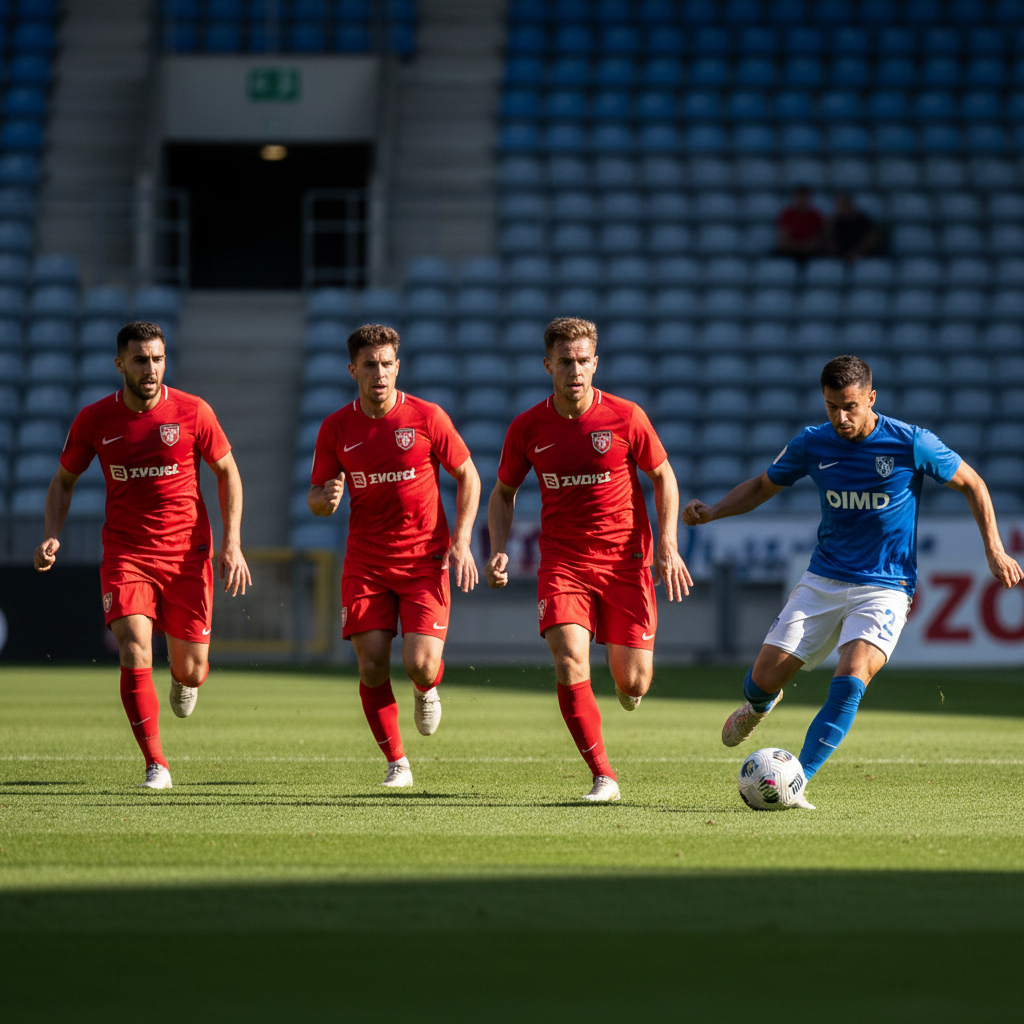
When you set your team to press high, you aren't just asking them to run more. You are asking them to change direction rapidly and accelerate into tight spaces. In most online football manager engines, this translates to a faster depletion of the 'Condition' or 'Energy' attribute compared to a standard defensive block.
If your players start a match at 95% condition, a high press might leave them at 60% by the hour mark. A tired player makes poor decisions. They miss tackles, their passing accuracy drops, and they become significantly more prone to muscle strains. I've seen countless matches lost in the final ten minutes because a manager refused to dial back the intensity, leaving their defenders standing still while a fresh substitute striker walked past them.
Why your tactical settings matter
It isn't just the 'Pressing' slider that causes the issue. Squad stamina is hit by a combination of instructions that often get bundled together. If you use a high press, you likely also use a high defensive line and a fast tempo.
- High Defensive Line: Your center backs are constantly sprinting back toward their own goal to cover long balls.
- Fast Tempo: Players move the ball quickly, which means teammates must sprint to provide passing options.
- Tight Marking: This forces defenders to stick to their man, following them even when it isn't efficient for their positioning.
When these are active at the same time, you are essentially asking your squad to play at 110% of their physical capacity. Very few players in these games have the 'Work Rate' or 'Stamina' stats to sustain that for a full 90 minutes, let alone three games in a week.
Signs your squad is burning out
Monitoring your squad's health is the most important part of being a long-term manager. You can't just look at the scoreline. You have to look at the data between matches.
If you notice your team consistently conceding goals between the 75th and 90th minute, that is a stamina issue, not a tactical flaw. Another red flag is a mounting injury list involving 'tight hamstrings' or 'pulled groins.' These are almost always fatigue-related. In many online comparisons of tactical styles, the high press is rated highly for win rate but poorly for longevity. You might win the first five games of the season, but by December, your best players are sidelined.
Managing the fatigue
To keep using high pressing tactics without killing your squad, you have to be smart about rotation. You cannot play the same starting eleven in every match. A deep squad isn't a luxury; it's a requirement for this style of play.
I usually recommend dropping the pressing intensity once you are two goals up. There is no reason to harass the goalkeeper when the game is effectively won. Switch to a mid-block or a lower tempo to let your players catch their breath. Use your substitutions early. If your wingers are at 70% condition by the 60th minute, get them off the pitch. Fresh legs against a tired defense can be just as effective as a high press anyway.
Frequently asked questions
How does stamina affect player performance in the late game?
As stamina drops, a player's technical and mental attributes like tackling, passing, and composure decrease significantly. This leads to more defensive errors and missed scoring opportunities in the final stages of a match.
Can I use high pressing with a small squad?
It is very difficult because the high physical demand requires frequent rotation to prevent injuries. A small squad will quickly become exhausted, leading to a dip in form and a higher risk of long-term injuries during busy fixtures.
Which player attributes are most important for a high press?
Players need high ratings in Stamina, Work Rate, and Acceleration to be effective. Without these, they will fail to close down opponents quickly enough and will tire out before the game reaches the second half.