Changing Captains Mid-Season: Impact on Football Manager Games

Chris Miller·Oct 20, 2026
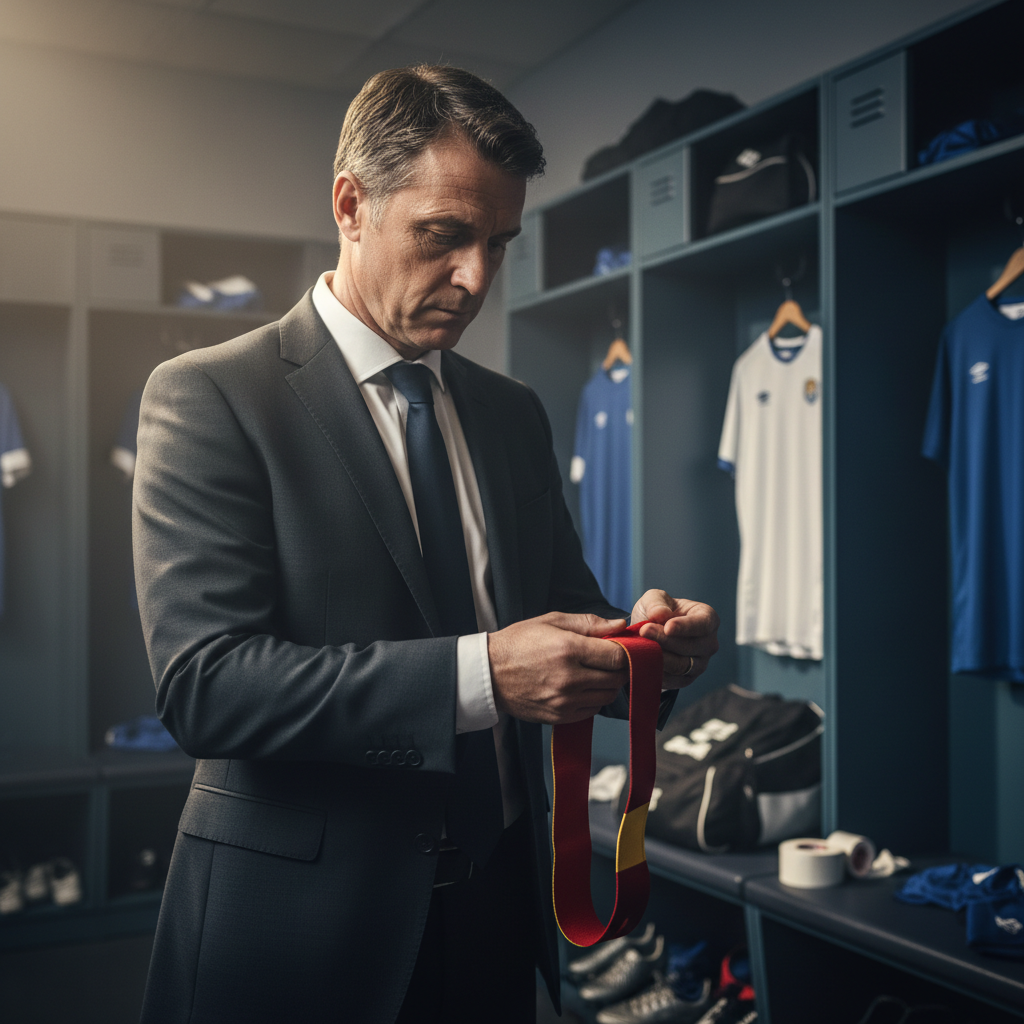
The Armband Dilemma

Most managers have been there. You are halfway through a grueling season and your captain is underperforming. Maybe his attributes are declining, or perhaps a new signing with better leadership stats is sitting on your bench. The temptation to switch the captaincy is strong.
In most online football manager games, the captain is more than just a player with a little icon next to his name. He is the bridge between your tactical instructions and the squad's morale. When things go south, the captain is the one who keeps heads from dropping. But what happens when you decide that bridge needs replacing in January?
It is rarely as simple as clicking a button. The reality of mid-season changes is often messy, affecting hidden mechanics that can derail a promotion charge or a title race if you are not careful.
The Immediate Morale Hit
When you strip a player of the captaincy, the game engine registers a significant negative event. This is not just about the player who lost the armband. It ripples through their social circle within the squad.
If your current captain is a Highly Influential player or a Team Leader, removing him can lead to a direct drop in the morale of five or six other starters. You might notice your star striker suddenly has a poor reaction to team talks. This is usually because he is friends with the former captain and views your decision as a sign of disrespect.
We have seen countless seasons fall apart because a manager tried to optimize leadership stats without looking at the social hierarchy first. If the player you are demoting is well-liked, be prepared for a month of locker room friction.
Why Managers Make the Switch
Despite the risks, there are times when a change is necessary. Usually, it comes down to a few specific scenarios that force your hand.
- The Declining Legend: Your captain is 34, his pace is gone, and he is no longer a guaranteed starter. A captain who does not play cannot influence the pitch.
- The Professionalism Gap: You have a captain with high leadership but low professionalism. If he starts complaining about training loads, he is dragging the rest of the squad down with him.
- The New Alpha: You have signed a world-class player who has 20 Leadership and 19 Determination. Keeping the armband on a lesser player feels like a waste of a tactical advantage.
- Contract Disputes: If your captain is refusing to sign a new deal and plans to leave on a free transfer, many managers prefer to transition the leadership to someone who actually wants to be at the club.
The Tactical Performance Shift
In high-level online football manager simulations, the captain’s hidden attributes often provide a passive buff to the players around them. This is particularly noticeable during high-pressure moments, like the final ten minutes of a cup final or a local derby.
When you change captains mid-season, that buff resets or changes based on the new leader's personality. If your new captain has the Resilient personality type, you might find the team recovers better after conceding a goal. If he is Temperamental, you might see an uptick in yellow cards when the team is losing.
The transition period is the danger zone. It takes time for the squad to get used to a new leader. During the first three to five matches after a change, we often see a dip in coordination. Defenders might miss headers they usually win, or the midfield might lose its shape. It is a subtle mechanic, but it is there.
How to Manage the Transition
If you have decided that the change must happen, you cannot just do it and hope for the best. You need a strategy to minimize the damage to your season.
First, check the social groups. If the incoming captain is already a Team Leader, the transition will be much smoother. The squad already respects him, so the formal title just confirms what they already know.
Second, consider the timing. Never change your captain right before a match against a rival or a top-four opponent. Wait for a break in the schedule or a run of easier home fixtures. This gives the team a chance to build some positive momentum under the new leadership before the pressure ramps up again.
Third, watch the former captain's minutes. If you strip the armband and then bench the player immediately, you are asking for a rebellion. It is often better to keep the former captain in the rotation for a few weeks to show the squad that he is still a valued member of the team, even without the title.
The Long-Term Payoff
While the short-term impact is often negative, a successful mid-season captaincy change can transform a club's culture. If you replace a passive captain with a driven, ambitious one, you will see it reflected in training reports within a few months.
The squad's average Determination attribute can actually rise over time if they are led by a player with high mental stats. This is the real reason to make the switch. You are not just looking for a win on Saturday; you are trying to build a squad that won't crumble when things get difficult next season.
Final Thoughts on the Armband
Changing your captain mid-season is one of the most aggressive man-management moves you can make. It is a high-risk, high-reward play that tests your understanding of the game's social mechanics.
Before you make the move, ask yourself if the leadership upgrade is worth the potential 10% drop in squad morale for the next month. If you are in the middle of a relegation battle, the answer is probably no. If you are comfortably mid-table and building for the future, it might be the smartest move you make all year.
Pay attention to the personalities, respect the social hierarchy, and don't be surprised if the locker room gets a little loud after the announcement. That is just part of being the boss.