Player Morale and Media Responses in Football Manager Games

Chris Miller·Oct 16, 2026

The Hidden Math of the Press Room
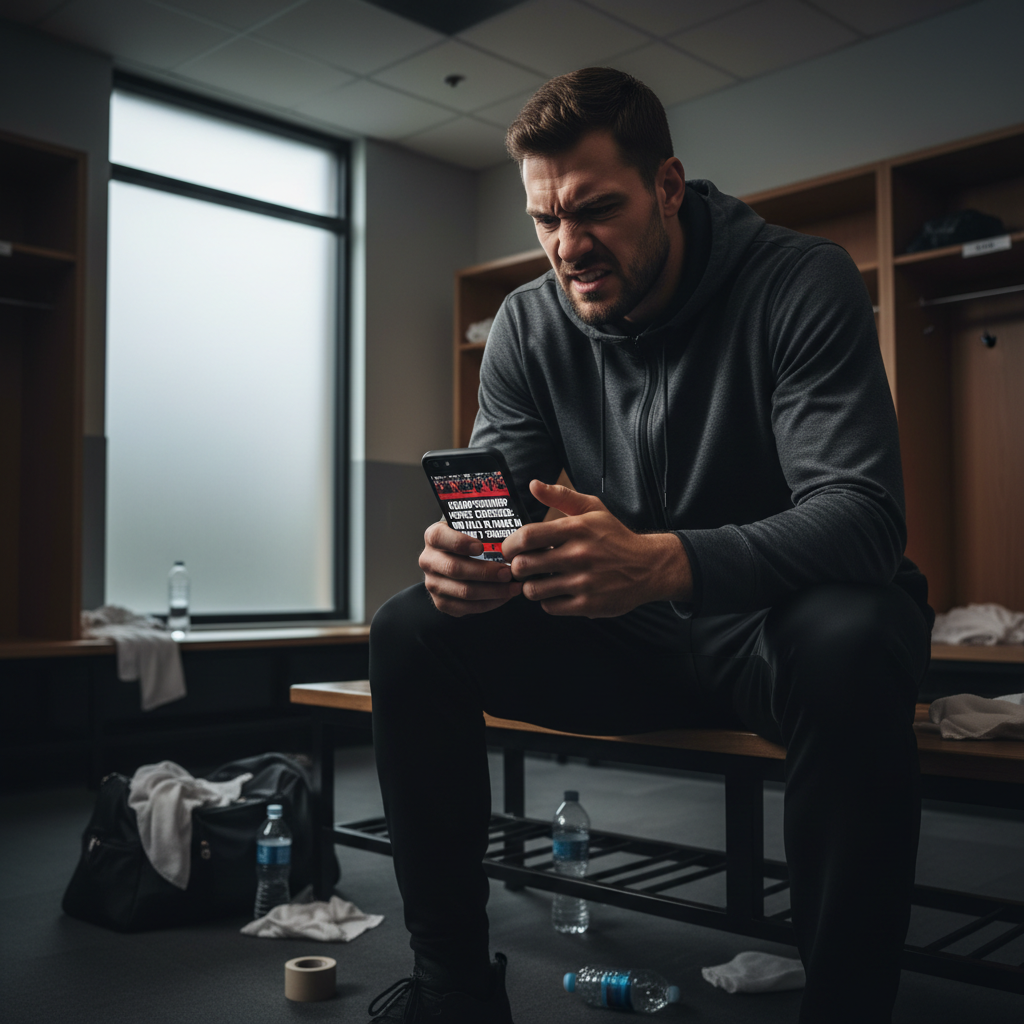
Most managers treat press conferences like a chore. You click through the options as fast as possible to get back to the scouting screen or the tactics board. It feels like flavor text, something the developers added to make the world feel lived in. But if you've ever seen a star striker go on a ten game goal drought after you questioned his finishing in a post-match interview, you know it's more than just flavor.
In modern football sims, the media room is a secondary tactical arena. Every response you give feeds into a hidden set of variables that govern player morale. When that morale drops, attributes like composure and positioning often take a hit during match day. It's the difference between a clinical finish and a shot that hits the corner flag.
Why Your Stars Take it Personally
Players in these games have hidden personality traits like professionalisms, loyalty, and pressure handling. A player with low pressure handling will crumble if you tell the media he's the key to your team's success. Conversely, a highly professional player might get annoyed if you praise him too much for a basic performance.
When you give a negative response about a specific player, the game calculates the impact based on your relationship with them. If you've just arrived at the club, they don't know you. A public critique feels like a betrayal. I've seen locker rooms turn into toxic environments within three weeks just because a manager decided to be honest about a poor run of form.
The Trap of Brutal Honesty
It is tempting to tell the truth. If your keeper lets in a soft goal at the near post, you want to call it out. In your head, you're being a tough, no-nonsense leader. In the game engine, you're often just triggering a negative morale flag.
Negative media responses usually lead to several immediate problems:
- A drop in the 'Happiness' bar, which can lead to transfer requests.
- Reduced training intensity, meaning your youngsters stop developing as fast.
- Poor team cohesion, which makes your defensive line look like they've never met each other.
- A loss of trust in your leadership, making it harder to sell them on new tactical changes.
Managing the Fallout
If you do slip up and upset a player, the damage isn't always permanent. The key is how you handle the private conversation that follows. Most games allow for a one-on-one meeting. If you try to double down on your public criticism, you'll likely lose them for the season. If you admit you were caught in the heat of the moment, you might salvage the relationship.
What's interesting is how other players react. A captain with a high leadership stat might actually step in to settle the squad. If you don't have that kind of character in the dressing room, one bad interview can spiral. The media isn't just a way to tell the story of your season. It's a mechanic that tests whether you actually understand the humans behind the stats.
Small Gains in the Media Circus
To keep morale high, you don't have to be a sycophant. You just have to be consistent. Players value a manager who protects them in public even when they know they've played poorly. Save the harsh words for the locker room at halftime. When the cameras are rolling, the safest bet is usually to take the blame yourself or credit the opposition's tactics.
It might feel less satisfying than a rant, but your win percentage will thank you. The reality is that managing morale is about 60 percent of the job in high-level online football manager games. The tactics get you to the box, but a happy, confident player is the one who actually puts the ball in the net.