Why Small Squads Win More Online Football Manager Games

Chris Miller·Jul 2, 2026

The Trap of the Massive Roster
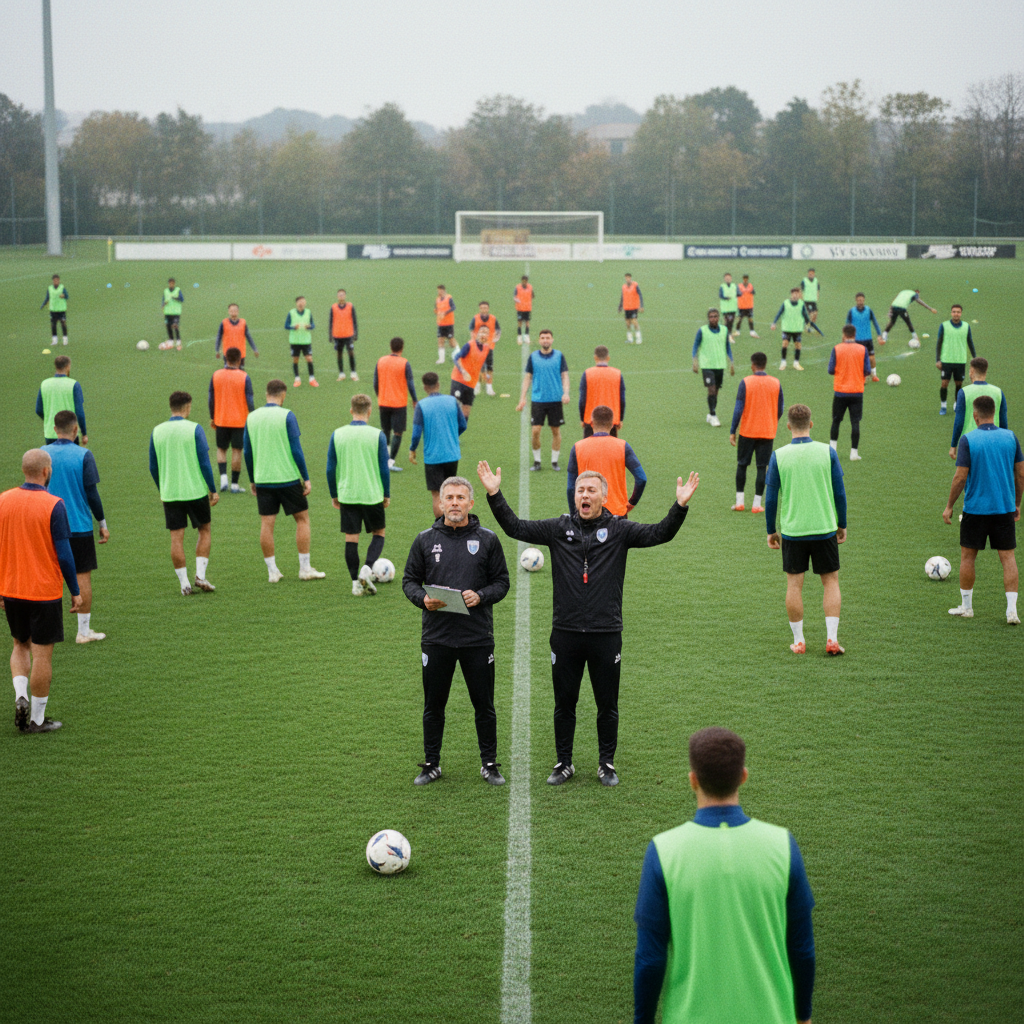
Most new managers start their online career by signing every decent player they can find. It feels safe. You think you are protecting yourself against injuries, suspensions, or a sudden dip in form. But after three seasons of testing different builds in various online football manager games, the pattern is clear. The teams at the top of the table almost always have the smallest squads.
When you carry 30 or 40 players, you aren't building a powerhouse. You are building a headache. Large rosters dilute your training focus, drain your virtual bank account, and destroy the tactical familiarity your starting eleven needs to actually perform.
Training Efficiency is the Real King
In almost every online football manager game, training points or growth opportunities are a finite resource. If you have a squad of 22 players, every single one of them can get a significant slice of the coaching pie. When that squad swells to 35, those same resources get spread too thin.
I have seen this play out in countless league runs. A manager with a lean squad of 18 high-quality players will see their youngsters develop twice as fast as a manager who is trying to rotate 15 different prospects. You want your best players to reach their peak as quickly as possible. You can't do that if you are busy giving minutes to a third-choice right back who will never actually start a big game.
The Morale Death Spiral
This is the silent killer in online leagues. Most game engines include a morale or happiness mechanic. Players who don't play get grumpy. Grumpy players perform poorly when they finally do get on the pitch. Even worse, in many games, low morale can spread or affect the overall team chemistry rating.
If you keep a small squad, everyone plays. Your bench players know they are one injury or one tactical shift away from the starting lineup. They stay sharp. They stay happy. When you have ten players who haven't seen the pitch in six weeks, you are just waiting for a locker room disaster that will tank your season.
Tactical Familiarity and Consistency
Football manager games usually reward consistency. The more your players play together, the better their hidden chemistry or tactical familiarity becomes.
- Your defenders learn how to hold the line together.
- Your midfielders develop better passing links.
- Your strikers understand the timing of the crosses.
When you rotate five players every game because you feel guilty about your large roster, you reset that progress. A small squad allows you to pick a core group and stick with them. You might suffer more when an injury hits, but the 90% of the time your team is healthy, they will play with a level of cohesion that a bloated squad can never match.
Managing the Risks of a Lean Squad
I'm not suggesting you only carry 11 players. That is a recipe for a mid-season collapse. The sweet spot is usually between 18 and 21 players depending on the specific game you are playing. Here is how you handle the risks:
- Prioritise Versatility: Look for players who can cover at least two or three positions. A utility man who can play anywhere across the back four is worth two specialist substitutes.
- Invest in Fitness: If you have fewer players, they need to be able to play more minutes. Focus your early training or facility upgrades on stamina and recovery.
- Use the Youth Academy: Instead of buying a permanent backup for every position, use your youth or reserve squad as a break-glass-in-case-of-emergency option. They don't mind sitting out, and they don't cost you a fortune in wages.
Financial Freedom
Every player on your roster has a wage. In many online football manager games, these wages are the biggest drain on your daily or weekly budget. By cutting five or six redundant players, you can often save enough money to upgrade your stadium or, better yet, buy one world-class superstar who actually wins you games.
It is almost always better to have one $50 million player and a small bench than five $10 million players sitting in the stands. Quality beats quantity every single time in the league standings.
The Psychological Edge
There is also something to be said for the simplicity of a small squad. As a manager, you have fewer decisions to make. You know your best team. You know your first two tactical changes. This clarity helps you focus on the things that actually matter, like scouting your next opponent or tweaking your set-piece instructions.
Next time you are browsing the transfer market, don't ask if a player is good. Ask if they are better than what you already have. If the answer is no, save your money. Your league position will thank you.