Why Tactical Intensity Destroys Squad Fitness Mid-Season

Chris Miller·Jul 30, 2026

The Trap of Constant Pressure
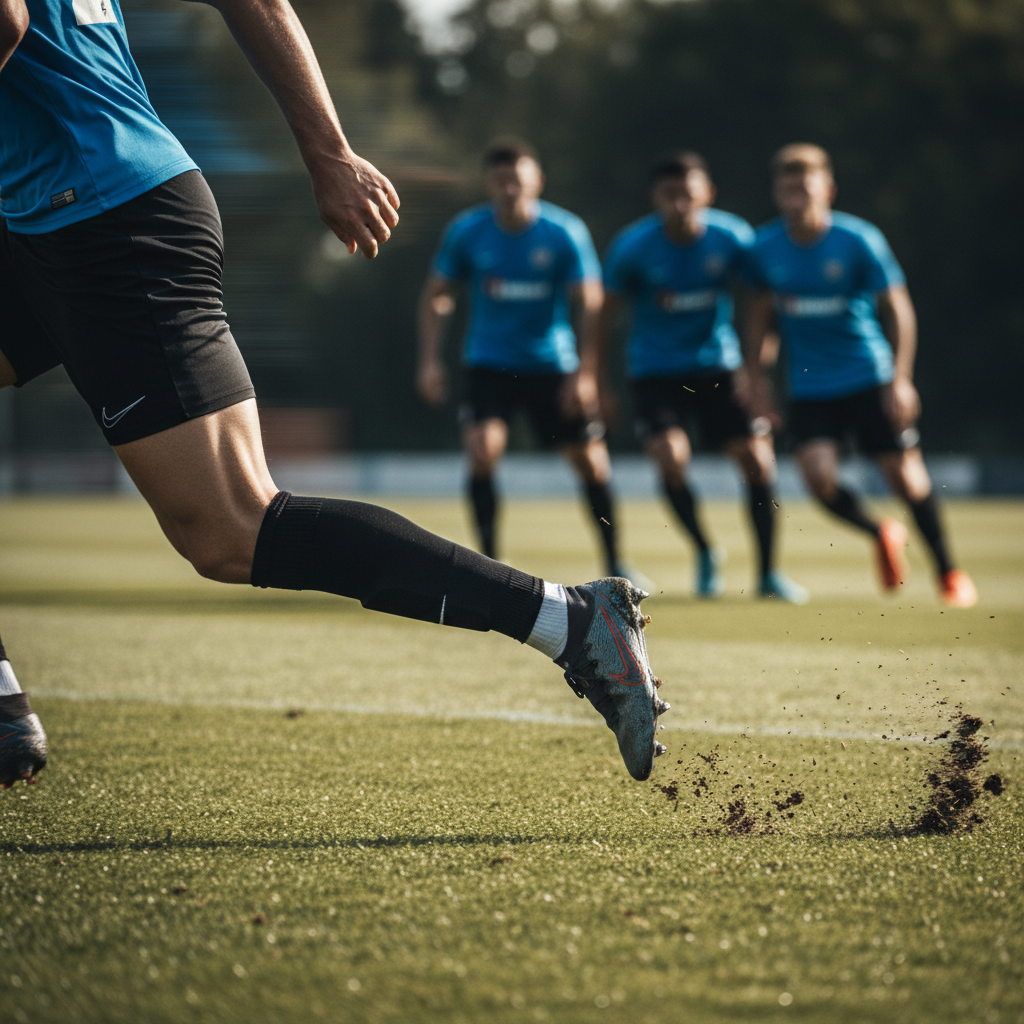
We have all been there. You find a tactical setup that works perfectly. Your team is winning, the high press is forcing turnovers in the final third, and your strikers are bagging goals for fun. It feels like you have finally cracked the code. Then, December hits. Suddenly, your star winger has a pulled hamstring. Your midfield engine is complaining about tired legs. Within three weeks, your bench is filled with youth prospects because half the first team is in the treatment room.
High tactical intensity is the most common reason for mid-season collapses in online football manager games. While modern tactics often demand relentless energy, the game engine usually tracks cumulative fatigue in ways most players ignore until it is too late. If you are asking your squad to play at a high tempo with aggressive closing down every single match, you are essentially putting a timer on your season.
Understanding the Hidden Fatigue Meter
Most managers only look at the condition percentage before a match. If a player is at 95%, they seem good to go. The problem is that condition is only half the story. The underlying fatigue, often hidden in sub-menus or indicated by a small icon, builds up over weeks of high intensity play.
When you set your team to press constantly, you increase the physical demand per minute of gameplay. A player might finish a match at 70% condition, but if they started at 95%, that 25% drop represents significant strain. If they do not have enough recovery time before the next fixture, their maximum potential condition for the next game might drop to 93%. Over a month, this creates a downward spiral where your players never actually reach full fitness.
The Cost of the High Press
High intensity tactics usually involve specific instructions that drain energy faster than others. If you are struggling with a mid-season slump, check if you are overusing these settings:
- Extremely high tempo passing
- Maximum closing down or pressing intensity
- Tight marking on every opponent
- Get stuck in or aggressive tackling
- High defensive lines that require constant recovery sprints
When these are all active, your players are sprinting more often and covering more ground. In the first ten games of the season, their natural fitness stats might carry them through. However, once the schedule gets crowded with cup games and midweek fixtures, the lack of recovery becomes a mathematical certainty for failure.
How to Manage Intensity Without Losing Games
You do not have to abandon your tactical philosophy to save your squad. It is about knowing when to turn the dial down. Think of tactical intensity like a resource. You should spend it when you need a result and save it when the game is under control.
One effective method is the game state adjustment. If you are 2-0 up at the 60 minute mark, there is rarely a reason to keep pressing like a maniac. Dropping your lines, lowering the tempo, and asking your players to stay in their positions can save significant energy for the next match. It feels counterintuitive to take your foot off the gas, but your medical staff will thank you in February.
Rotation is Not Optional
Many managers try to play their best eleven every single week. It works in the short term, but it is a recipe for a disastrous second half of the season. You need a squad of at least 18 players who are good enough to start. This allows you to rotate three or four positions every match without a massive drop in quality.
I have noticed that players with high natural fitness can handle the strain better, but even they have limits. If a player’s condition drops below 90% before a kickoff, they are at a much higher risk of a muscle tear. Using your substitutes early, around the 60 or 70 minute mark, is also a vital tool. Taking off your most active players, usually wingers and box to box midfielders, helps preserve their long term availability.
Training Loads and Recovery
Another culprit is a training schedule that is too demanding. If your tactical intensity is high on match days, your training should be focused on recovery and technical work during the week. Piling on physical training sessions during a busy period is a mistake.
Look at your weekly calendar. If you have two games a week, the days in between should almost entirely be dedicated to recovery and match preparation. If you see your squad fitness levels dropping across the board, it is time to manually intervene and reduce the training intensity for a few days.
Spotting the Warning Signs
Before the injuries start piling up, your team will usually give you signs that they are burnt out. You might notice a string of late goals conceded. This happens because tired players lose concentration and cannot track runners. You might also see a dip in your distance covered stats or a sudden lack of goals from your strikers who no longer have the burst of pace to beat a defender.
If you see these patterns, do not double down on harder training or more aggressive tactics to fix the form. Usually, the fix is the exact opposite. Give the squad a day off, lower the pressing intensity for the next match, and let them get their legs back. Managing a squad is a marathon, not a sprint. The managers who win titles are usually the ones who have their best players fit for the final two months of the campaign.