Team Work Stats: Why They Kill Your Star Playmakers

Chris Miller·Aug 17, 2026

The Hidden Cost of High Team Work
Every manager wants a squad that works together. You look for that high team work stat because it suggests discipline, structure, and a collective effort. In most online football manager games, this attribute tells a player to look for the safest pass and stick to the tactical plan. It sounds perfect until you realize your 50 million pound playmaker hasn't created a chance in three games.
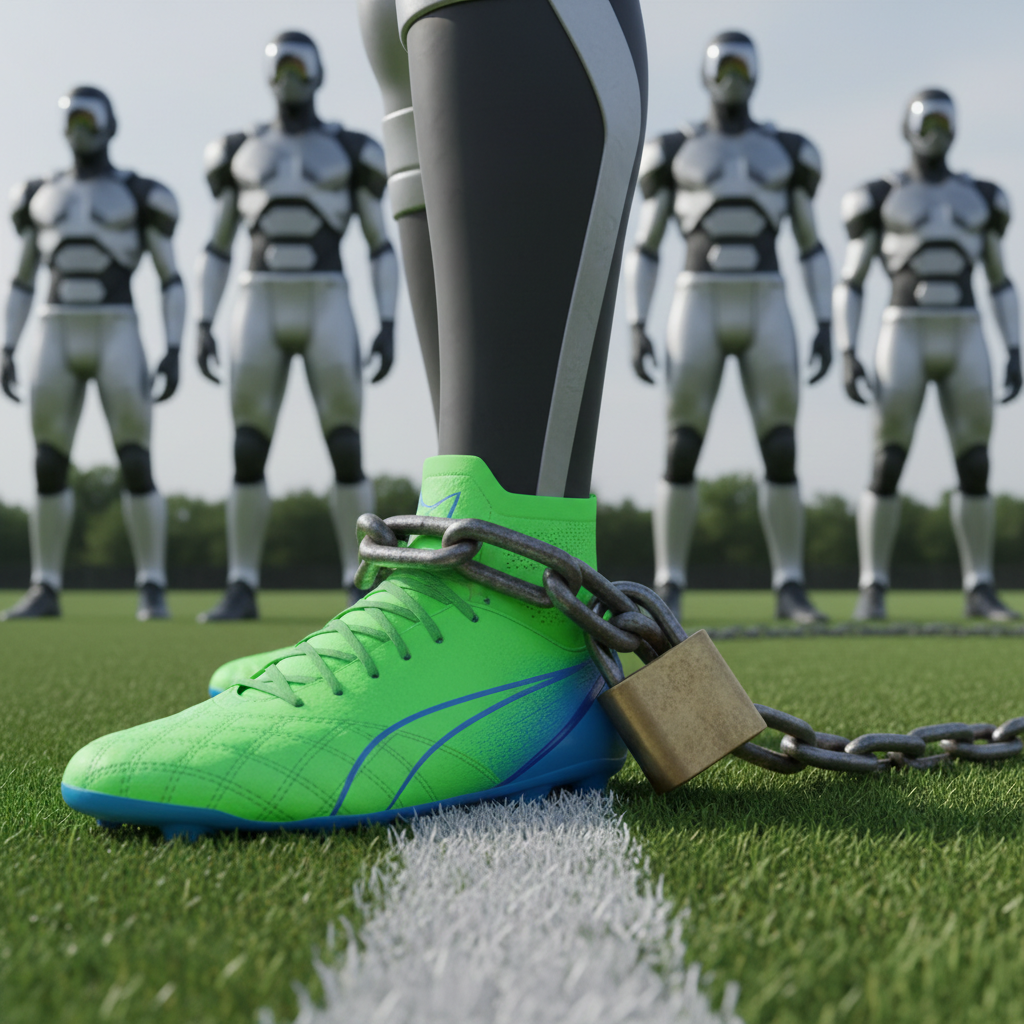
There is a massive trade-off here that most players ignore. When you crank up the collective work rate, you are effectively telling your creative geniuses to stop being geniuses. You are asking them to blend into the background. For a defensive midfielder, that is great. For a number ten who needs to try a risky through-ball, it is a disaster.
Structure vs. Creativity
High team work stats act like a leash. If a player has a high rating in this area, they prioritize the system over their own intuition. They will choose the easy five-yard sideways pass to a teammate because that is what the 'team' needs to maintain possession.
However, playmakers thrive on unpredictability. They need to ignore the safe option to find the run that no one else sees. If their team work stat is too high, they become too obedient. They stop taking the risks that actually break down a stubborn low block. You end up with 70% possession and zero shots on target because everyone was too busy being a good teammate to actually try something difficult.
When Disciplined Tactics Go Wrong
I have seen this happen in countless simulations. You build a team of hard workers with 18 or 19 team work ratings. You expect them to crush the opposition through sheer organization. Instead, you find yourself drawing 0-0 against bottom-tier clubs.
The reason is simple. Your star players are playing it safe. A playmaker with low team work is often labeled as 'lazy' or 'selfish', but that selfishness is what wins games. They want the ball, they want to shoot, and they want to try that impossible lob. If you suppress that with high team work requirements, you get a very expensive, very boring squad.
Finding the Right Balance
It is about roles rather than a blanket stat for the whole team. You need the water carriers to have high team work, but you need your stars to have a bit of an ego. Here is how you should generally distribute these attributes across your starting eleven:
- Center Backs and DMs: High team work is essential here. You need them to stay in position and cover for others.
- Full Backs: Moderate team work helps them know when to overlap and when to sit back.
- Wingers: You want this slightly lower. They need the freedom to take on their man 1v1 without worrying about the defensive shape every second.
- The Creative Hub: This is the danger zone. If this player has a team work stat above 12 or 13, they might start playing too safely. You want them looking for the killer ball, not the safe one.
- Strikers: A bit of selfishness goes a long way. A striker who is too focused on team work might pass when they should have buried the ball in the net.
The Problem With Tactical Rigidity
Most modern football manager games allow you to set team-wide instructions. If you tell your team to be extremely disciplined, you are effectively boosting the team work stat for everyone on the pitch. This is a common mistake for managers who are afraid of losing.
By forcing discipline, you kill the flair. Flair and team work are often at odds. Flair is the ability to do the unexpected, while team work is the commitment to doing exactly what is expected. If you have a player with 20 flair and 20 team work, they are constantly in a mental battle with themselves. Usually, the 'safe' team work instruction wins out in the game engine, and that flair goes to waste.
Identifying the 'System Player' Trap
We often fall in love with the 'system player'. These are the guys who always get a 7.0 rating, never make a mistake, and always follow your instructions. They are the backbone of a mid-table finish.
If you want to win trophies, you need players who break the system. You need the guy who loses the ball four times trying to nutmeg a defender, only to succeed the fifth time and score the winner. High team work stats make players afraid to lose the ball. If your playmaker is afraid to lose the ball, they will never create anything meaningful.
Practical Adjustments for Your Save
If you notice your star player is underperforming despite having great technical stats, check their mental profile. If their team work is higher than their vision or passing, you have a problem. They are too focused on being a 'good teammate'.
You can counter this by giving them specific player instructions. Tell them to take more risks or give them a 'Roam from Position' instruction. This effectively tells the game engine to ignore their team work stat for a moment and let them use their natural talent. It is a way to bypass the tactical cage you have built around them.
The Ego Factor
In the world of online football management, we often treat players like robots. We want perfect stats in every category. But real football, and the best simulations of it, requires a mix of personalities. A team of eleven leaders is a mess, and a team of eleven followers is a bore.
Accept that your best creator might be a tactical liability. They might not track back. They might ignore your instruction to keep possession. But when they thread that needle-thin pass through the defense in the 89th minute, you won't care about their team work stat. You will be glad you let them play their own game.
Final Thoughts on Squad Building
Next time you are scouting for a new number ten, don't be put off by a low team work rating. In fact, look for it. It might be the sign of a player who knows they are the best person on the pitch to make a decision. Stop trying to make everyone a cog in the machine. Sometimes, you just need to let your stars be stars, even if it means the rest of the team has to work a little harder to cover for them.