
Why Your Wonderkid Stalls After Three Seasons

Chris Miller·Aug 16, 2026
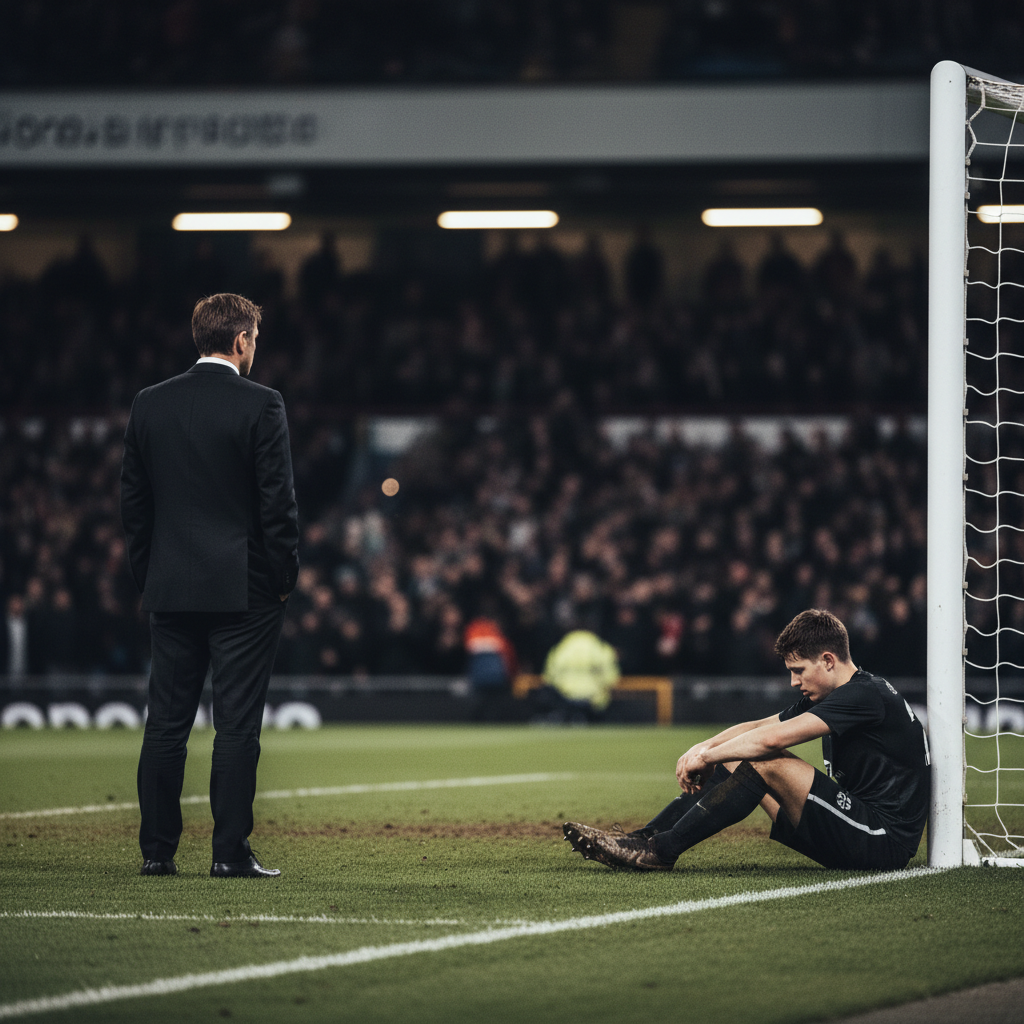
The Three Season Trap

You know the feeling. You spend half your transfer budget on a 17 year old from a random league in South America. For the first two years, his attributes skyrocket. He wins young player of the year. You think you've found the next superstar. Then, around age 20 or 21, the green arrows disappear. His stats flatline.
Most managers assume they've hit the player's potential ceiling. Often, that isn't the case. The game engine hasn't decided he's done. You've simply stopped giving him the specific environment he needs to take the final step from prospect to elite professional.
The Playing Time Paradox
In the first two seasons, every minute on the pitch is a bonus. At 17, a wonderkid gains massive boosts just from being in the first team squad and getting 20 minutes off the bench. By the third season, the requirements change.
Once a player reaches a certain reputation and ability level, substitute appearances stop moving the needle. They need starts. Specifically, they need starts in high pressure matches. If you keep using your best young talent as a late game rotation option against bottom half teams, his growth will stagnate.
I've seen this happen in almost every major football manager sim. The game expects the player to be a 'Regular Starter' by their third year at the club. If their squad status remains 'Impact Sub', the hidden development modifiers start to decay.
Training Fatigue and Hidden Attributes
We often focus on the visible stats like pace, finishing, or tackling. We ignore the hidden ones like Professionalism and Ambition. These are the engines that drive development.
In the third season, many players get comfortable. If your training intensity is still set to the same level it was when they arrived, they won't improve. You have to push them. This doesn't mean doubling their workload until they get injured. It means changing their individual focus every few months to keep the 'training interest' high.
Common mistakes that stall development include:
- Keeping a player on the same individual training focus for more than 12 months.
- Neglecting the mentoring groups once the player becomes a starter.
- Failing to upgrade your youth coaching staff as the player grows.
- Ignoring the player's personality shifts after they sign a big new contract.
The Big Contract Curse
This is a subtle mechanic that catches people out. You want to protect your investment, so you give the wonderkid a five year deal with a massive pay rise after their second good season.
In many online manager games, a massive jump in wages can lower a player's 'Determination' or 'Work Rate' if their personality isn't 'Model Citizen' or 'Professional'. They've made it. They have the money and the long term security. The urgency to improve in training drops off.
If you see a dip in training ratings immediately after a contract renewal, you need to intervene. Use the 'Criticise Training' interaction immediately. Don't let them settle into a rhythm of mediocrity.
Loan Moves and the Quality Ceiling
Sometimes the problem isn't the player or the training. It's the league. If you are playing in a smaller nation or a lower division, your wonderkid will eventually outgrow the competition.
If he is performing at a 7.5 average rating every week but his stats aren't moving, he's bored. The match engine isn't challenging him. At this point, you have two choices. You either move to a bigger league yourself, or you sell him with a heavy sell on clause.
Keeping a world class talent in a mediocre league is the fastest way to kill their development. They need to play against better defenders and more tactically astute teams to trigger the final 10% of their potential.
Tactical Rigidity
Are you asking the player to do the same thing every game? If you've played 100 matches with the same tactical setup, the opposition knows how to handle your star man.
When a player's match ratings drop because they are being double teamed or marked out of the game, their development slows down. Development is tied to match performance. If he's getting 6.4s because your tactic is predictable, he won't get better.
Try shifting his role. If he's been an Inside Forward for three years, try him as a Complete Forward or a Deep Lying Playmaker for a few games. This forces the engine to recalculate his attribute weighting and can often kickstart a stalled development cycle.
Mental Burnout is Real
We often forget that these digital players have 'Condition' and 'Sharpness' levels. If you play your wonderkid in every single game, including domestic cups and continental trophies, he will hit a wall.
Physical fatigue leads to poor training sessions. Poor training sessions lead to stagnant attributes. Sometimes the best thing you can do for a stalling 21 year old is to give him a two week holiday in the middle of the season.
Remove him from all training and let him rest. You'll often find that when he returns, his training ratings spike again. It's about long term sustainability, not just winning the next match.
Finding the Solution
If your star player has hit a plateau, don't panic and sell him immediately. Check his squad status, look at his training ratings, and consider if he's actually being challenged by the league.
Most of the time, a small tweak to his role or a stern talk about his training levels is enough to get those green arrows moving again. It takes patience to turn a wonderkid into a legend. The third season is just the first real test of your management skills.