
Why Youth Academy Prospects Often Fail to Reach Potential

Chris Miller·Jul 10, 2026

The Five Star Trap in Football Management Games
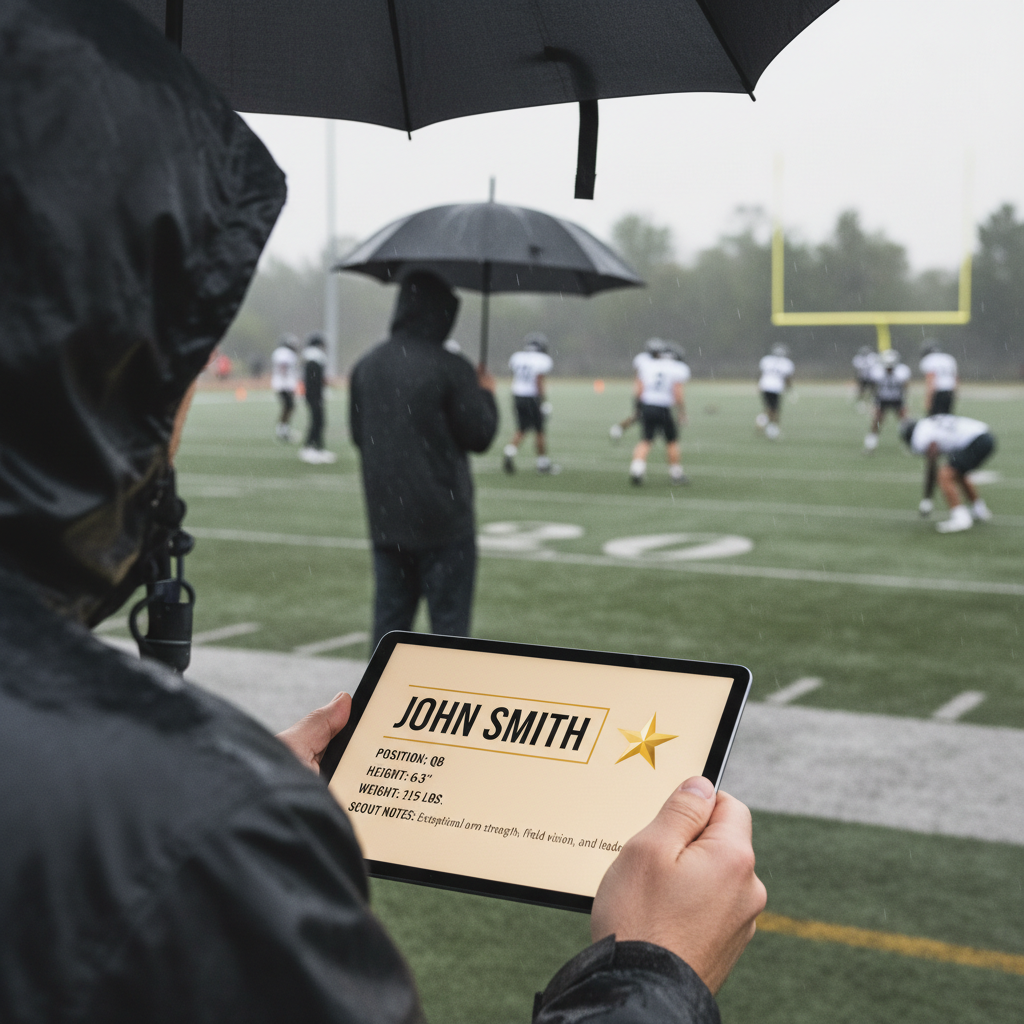
We have all been there. You spend half your scouting budget on a 16 year old with a five star potential rating. You fast track them into the first team, give them the number ten shirt, and wait for the magic to happen. Three seasons later, their attributes haven't moved and they are getting outplayed by a 34 year old journeyman on a free transfer.
It is the most frustrating part of the game. You feel like the simulation is broken or the scouts lied to you. In reality, most online football manager games are designed to mimic the unpredictability of real world talent development. Potential is a ceiling, not a guarantee. Just because a player can reach a 90 rating doesn't mean they will ever get close to it.
The Hidden Role of Hidden Attributes
Most players look at the visible stats like pace, finishing, or passing. What matters for growth are the attributes you usually cannot see without a high level scouting report or a dedicated data analyst. Attributes like professional behavior, ambition, and pressure handling dictate how a player trains.
If a wonderkid has a low professionalism score, they will slack off in training sessions. You will see those dreaded downward red arrows on their development chart. No matter how much potential they have, a lazy player will hit a developmental plateau by age 21. They might have the talent of Messi, but they have the work ethic of a player who just wants to collect a paycheck and go home.
Game Time vs. Level of Competition
One of the biggest mistakes managers make is keeping a prospect on the bench for a top tier team. It feels safe. You can sub them on when you are 3-0 up. However, development in most engines requires meaningful minutes.
There is a delicate balance to strike here. If you play a teenager in a league that is too difficult for them, their match ratings will suffer. Poor match ratings lead to low morale. Low morale leads to stunted growth. On the other hand, if they stay in the U21s too long, they stop learning because the competition is too easy.
Why Loans Often Fail
Sending a player on loan seems like the perfect solution, but it often backfires for a few specific reasons:
- The parent club has better training facilities than the loan club.
- The loan club plays a tactic that does not use the player's best attributes.
- The player is tucked away on the bench of the loan club, gaining no experience.
- The club's personality or squad harmony is toxic, affecting the youngster's growth.
Before you click 'accept' on a loan offer, check the facilities of the interested club. If you are a top flight team sending a kid to a club with 'poor' training grounds, you are effectively pausing their development for a year.
Injury Proneness and Development Windows
Every player has a development window, usually between the ages of 17 and 24. This is when the vast majority of attribute growth happens. If a player spends six months of every year on the treatment table, they are missing out on the most critical training time of their career.
Physical attributes like speed and strength are the first to suffer when a player is injury prone. A winger who loses two points of pace due to a recurring knee injury might never reach their potential because their entire game was built on that speed. Once that window closes, it is nearly impossible to make up for lost time.
The Impact of Coaching Quality
Your youth academy is only as good as the people running it. If you have a five star prospect but two star coaches, that potential is wasted. High level coaches don't just improve the speed of attribute growth. They also help influence the ‘hidden’ personality traits mentioned earlier.
A coach with a 'Model Professional' personality can occasionally rub off on the youngsters. If you are wondering why your academy isn't producing, look at your staff list before you blame the players. You need specialized coaches for fitness, ball control, and tactical awareness to ensure every aspect of a player's potential is being pushed.
Overplaying and Burnout
It is tempting to play your 17 year old star in every single match. They are fast, they are cheap, and the fans love them. But in many modern football manager simulations, overplaying a young player leads to burnout.
When a player's fatigue levels stay high for too long, their training performance drops. In some games, this even increases the risk of a permanent 'burnout' flag that caps their maximum potential earlier than expected. Rotation isn't just for keeping your veterans fresh. It is a tool to protect the long term value of your assets.
Managing Expectations
At the end of the day, a scout's five star rating is just an opinion. It is a projection based on what the player is doing right now. If the player's form dips or they experience a major life event in the game's logic, that projection changes.
Successful managers don't bank everything on one or two prospects. They build a pipeline. If you have five players with high potential, the reality is that only one or two will likely become world class. The others might become solid squad players or be sold for a profit to fund your next big signing. Understanding that failure is part of the simulation makes the successes feel much more earned.