Assistant Manager Hidden Traits: The Real Impact

Chris Miller·Jul 25, 2026·Updated Nov 1, 2026
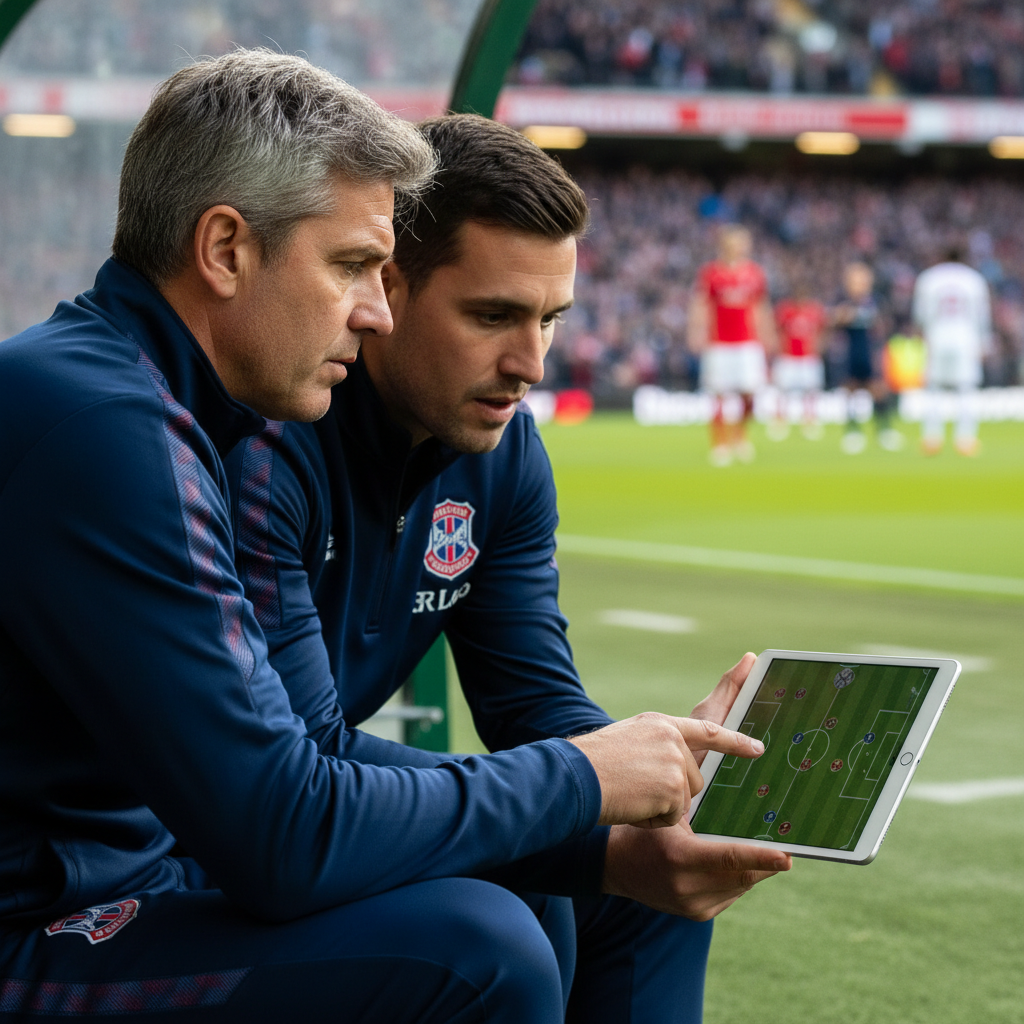
The Ghost in the Machine
Every manager has been there. You have a five star assistant with world class coaching stats, yet your team talk reactions are lukewarm and your star striker is suddenly throwing a fit about his playing time. You check the attributes page. Everything looks green. So, what gives?
In the world of online football management, the numbers you see on the profile page are only half the story. There is a whole layer of hidden programming that determines how your number two actually behaves when the pressure is on. If you are only hiring based on 'Judging Player Potential', you are likely missing the engine that drives your squad harmony.
The Professionalism Paradox
We often talk about player professionalism, but assistant professionalism is just as vital. This trait governs how they handle media pressure and, more importantly, how they interact with you. A high professionalism score means they will give you honest, consistent feedback even when the team is on a losing streak.
I have seen plenty of managers hire assistants with high 'People Management' but low hidden 'Professionalism'. The result? The assistant tells you what you want to hear to keep the peace, but fails to flag up that your backup keeper is about to hand in a transfer request. You want a right-hand man who is a bit of a stickler for the rules, not a yes-man.
Loyalty and the 'Job Hopper' Risk
Loyalty is a hidden trait that many players ignore until their coaching staff gets gutted mid-season. Some assistants are programmed with high ambition and low loyalty. They use your club as a stepping stone.
If you are building a long-term project, you need a staff member who won't jump ship the moment a rival club offers them a slightly higher wage or a lead scout role. I usually look for assistants who have a history of long stays at previous clubs, as this often mirrors their hidden loyalty stat. It keeps your training categories stable and ensures your tactical familiarity doesn't take a hit every six months.
Pressure: The Silent Killer
This is the big one. The 'Pressure' trait determines how well your assistant handles big games and crisis talks. When you are 2-0 down at half-time in a cup final, your assistant's advice is fueled by this hidden number.
An assistant who crumbles under pressure will suggest defensive changes when you need to attack, or they might give a team talk that leaves your players 'Looking Nervous'. You cannot see this number directly, but you can feel it. If their advice always seems to get more conservative or panicked during the final ten minutes of a match, you probably have a staff member who can't handle the heat.
What to Look For (Beyond the Stars)
Since you can't always see these numbers without a third-party editor, you have to look for clues in their biography and past behavior. Here is what I prioritize when scouting a new assistant:
- Media Handling Style: Look for 'Level-Headed' or 'Reserved'. These usually indicate higher hidden professionalism and pressure stats compared to 'Volatile' or 'Outspoken'.
- Squad Personality Alignment: If your squad is 'Highly Determined', hire an assistant with a similar personality. The hidden traits often align better, leading to fewer clashes during training.
- Tactical Consistency: Check if their preferred formation matches yours. Even if their stats are high, a hidden preference for a different style can lead to poor advice during match days.
- Adaptability: If you are managing in a foreign league, this hidden trait is non-negotiable. Without it, your assistant won't understand the local player dynamics for months.
The Reality of the 'Ideal' Assistant
There is no such thing as a perfect assistant. You are always making trade-offs. A coach with incredible hidden loyalty might have slightly lower tactical knowledge. A high-pressure specialist might be a bit of a nightmare to manage personally because of their high ambition.
In my experience, it is better to have an assistant who is reliable and professional than one who has 20 in every visible stat but hides a volatile personality. The invisible numbers are what keep your dressing room from falling apart when results go south.
Next time you are looking at the staff search screen, don't just filter by the highest coaching attributes. Think about the person behind the numbers. The best assistants aren't just data analysts; they are the glue that holds your tactical vision together when you aren't looking.