
Why High Versatility Stats Stall Your Tactical Consistency

Chris Miller·Aug 25, 2026
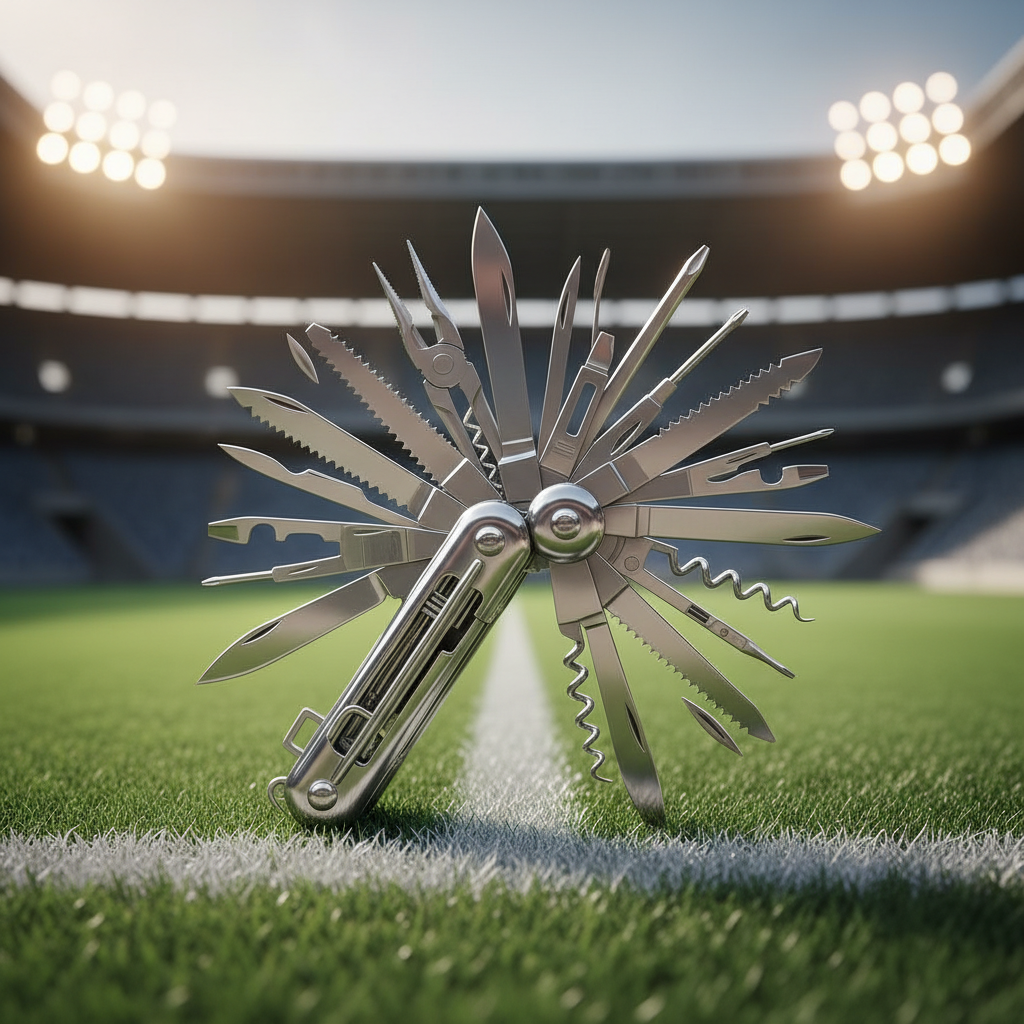
The Trap of the Swiss Army Knife Player

Most online football manager games give you a limited budget and a tight squad cap. Naturally, your first instinct is to sign players who can cover three or four different positions. If your starting left back gets a red card, you want a utility man who can slide over from central midfield without a second thought. It feels like efficient squad building. In reality, relying too heavily on high versatility stats is often the quickest way to stall your team's progress.
When a player has high versatility, they can perform at a decent level across multiple roles. The problem is that "decent" rarely wins championships. In high stakes leagues, you aren't looking for a jack of all trades. You need specialists who know their specific patch of grass better than anyone else.
The Hidden Cost of Position Swapping
Every time you move a versatile player to cover a gap, you interrupt their tactical familiarity. Most game engines reward consistency. A player who stays in the same role for ten games straight builds hidden chemistry with the players around them. They learn when the winger is going to track back and where the striker wants the ball played.
If you move that player every other week because they have the stats to handle it, they never develop that deep understanding. You end up with a squad of eleven individuals rather than a cohesive unit. The player might put in a 7.0 rating every game, but the team's overall performance will feel disjointed. It's the difference between a functional machine and a finely tuned engine.
Why Growth Hits a Ceiling
In many modern manager sims, players have a hidden or visible potential ceiling. Training points are a finite resource. When a player is spread across multiple positions, their training often reflects that. Instead of mastering the specific attributes required for a world class Deep Lying Playmaker, their development is diluted to keep them competent as a Wing Back or a Central Defender.
This creates a squad of "B+" players. You'll find yourself stuck in the middle of the table, wondering why you can't beat the top teams. The top teams usually have specialists who have spent their entire careers perfecting one role. A specialist with a 19 in Passing will always outperform a versatile player with a 15 in Passing and a 15 in Tackling when the game is on the line.
The Tactical Consistency Problem
Tactical consistency isn't just about your formation. It's about how your team reacts to transitions. When you constantly shuffle your versatile players to plug holes, your tactical instructions become less effective.
Consider these common issues when overusing versatile players:
- Delayed reaction times in defensive transitions because the player is used to a different starting position.
- Poor spacing during attacks as players drift into zones they would occupy in their "other" favorite roles.
- Reduced effectiveness of set piece routines that rely on specific physical profiles in specific spots.
- Lowered team cohesion scores, which often act as a multiplier for overall performance.
Building a Specialist Squad
So, how do you move away from the versatility trap? It starts with your recruitment strategy. Instead of looking for a player who can play anywhere in the defensive line, look for the best possible specialist for your specific system. If you play with overlapping wing backs, find a player with elite stamina and crossing, even if they can't play a single minute at center back.
Instead of one versatile backup, try to build a squad with two dedicated players for every position. This might mean your squad is smaller, but the quality of your tactical execution will skyrocket. When a specialist steps in for an injury, the team's shape remains identical. The instructions don't need to change, and the players around them don't have to adjust their game to compensate for a teammate playing out of their natural habitat.
When Versatility Actually Works
To be fair, versatility isn't always a negative. It's a fantastic trait for a bench player. Having one "super sub" who can cover the entire midfield or both fullback spots is a massive asset during the final twenty minutes of a match. The mistake is making that versatility a core requirement for your starting eleven.
Use your versatile players as the glue, not the foundation. Keep them on the bench to react to mid-game injuries or tactical shifts. Your starters should be the experts. They should be the ones who have played 50 games in the same spot, under the same instructions, until their movements are automatic.
The Long Term Play
If you look at the top ranked managers in almost any online football sim, you'll notice a pattern. Their lineups rarely change. They don't tinker with positions just because a player's versatility stat says they can. They value the rhythm that comes from repetition.
Stop asking your players to be everything for everyone. Pick a role, find a specialist, and let them master it. Your trophy cabinet will thank you for the consistency.