
Why Youth Academy Stars Fail in the First Team

Chris Miller·Aug 2, 2026

The Wonderkid Trap
We have all been there. You spend three seasons scouting, your youth intake finally drops a five star prospect, and you immediately clear a space in the starting lineup. The attributes look incredible for a 17 year old. You expect him to be the next superstar, but six months later, his average rating is a 6.4 and your team is sliding down the table.
It is a common frustration in online football manager games. We often assume that high potential automatically translates to high performance. In reality, the jump from the youth academy to the first team is the hardest transition a player will ever make. If you do not handle it right, you will ruin their development and hurt your results.
The Physical Gap is Real
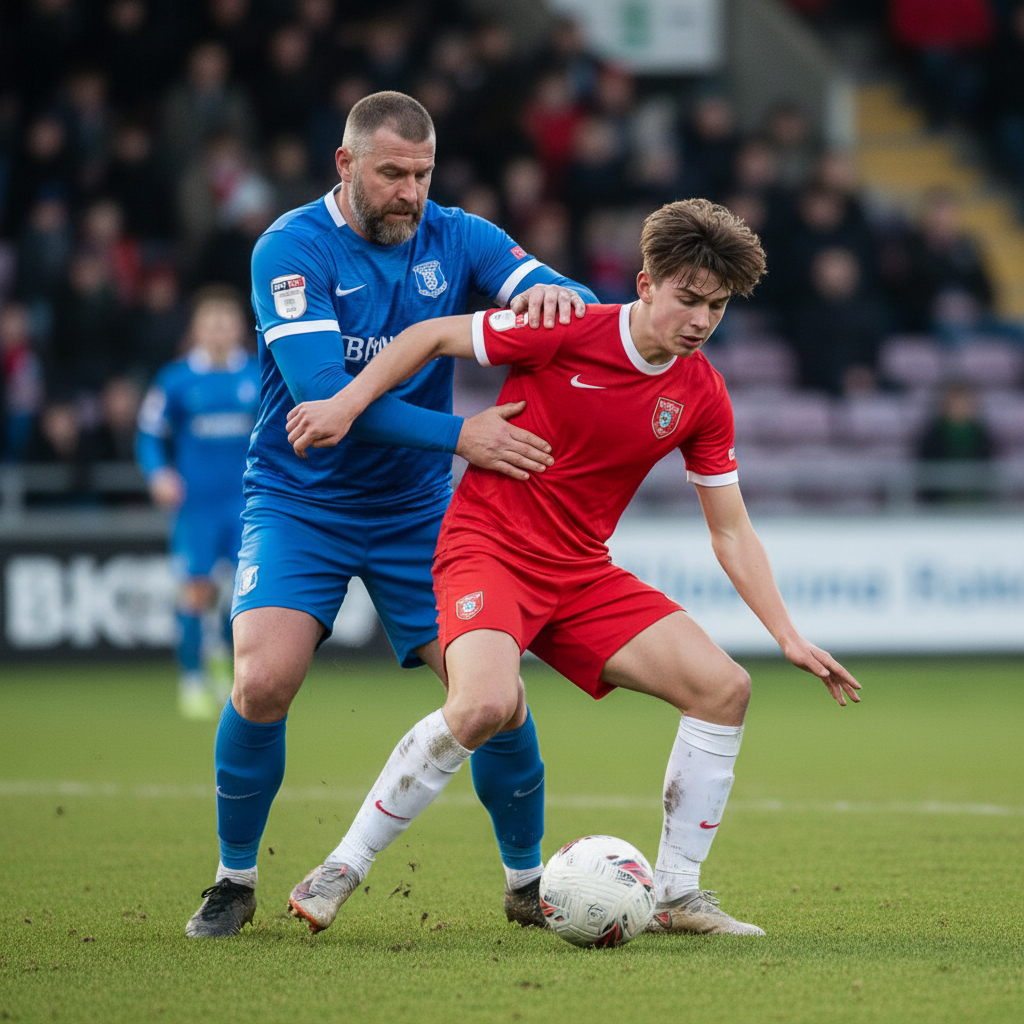
One of the biggest reasons these kids fail is purely physical. In the youth leagues, a player with decent pace and technical skill can dominate because they are playing against other teenagers. When you drop them into the first team, they are suddenly facing 30 year old center backs who have maximum strength and aggression stats.
If your wonderkid has a strength rating of 8, he is going to get bullied. It does not matter how good his passing is if he is constantly knocked off the ball before he can look up. Most managers forget to check the physical profile of their youngsters. You need to look at stamina too. A kid might be brilliant for 60 minutes, but if he is exhausted by the 70th, he becomes a defensive liability.
Hidden Mental Attributes
Most games show you the flashy stats like finishing or dribbling, but the hidden mental attributes usually decide who makes it. Consistency and big match temperament are often invisible until you see the player in action.
A youth star might have a high ceiling, but if their consistency is low, they will give you one masterclass followed by five anonymous performances. You cannot build a winning first team on that kind of volatility. Pressure is another factor. Some players have the 'Pressure' attribute set low, meaning their performance drops the moment the stakes get high. In a relegation scrap or a cup final, these kids often vanish.
The Tactical Adjustment Period
In the academy, your prospects are usually playing a simplified version of your system, or they are just out-talenting the opposition. The first team is different. The tactical instructions are more complex. You might be asking your winger to track back, stay in a specific half space, or trigger a press at a certain time.
Young players often lack the 'Tactical Awareness' or 'Positioning' stats to pull this off. When they miss a defensive assignment, it leads to a goal. You blame the player, the player loses confidence, and the downward spiral begins. It takes time for a teenager to learn where to stand when the team does not have the ball.
Why Loan Moves Often Backfire
Many managers think the solution is a loan move. While this can work, it often causes more problems than it solves. Here is why loans fail:
- The destination club has poor training facilities, slowing down attribute growth.
- The loan manager plays them out of position, ruining their tactical familiarity.
- The team is struggling, and your player gets blamed for poor results.
- They do not get enough game time, meaning they would have been better off in your own reserve squad.
Before you send a star out, check the club's coaching staff and the manager's preferred formation. If they do not play your style, do not send your player there.
Managing the Transition Properly
If you want your youth stars to actually succeed, you have to stop throwing them into the deep end. Start with substitute appearances when you are already two goals up. Let them get a feel for the pace of the game without the pressure of needing to save the result.
Focus their individual training on their weaknesses. If they are weak, put them on a strength program. If they are slow, work on their agility. You are building a professional athlete, not just a footballer.
Another trick is mentoring. Pair your young prospect with a veteran player who has a 'Professional' or 'Model Citizen' personality. This can help improve the youngster's hidden mental stats and their work rate. It is a slow process, but it is the only way to ensure that five star potential actually turns into a five star player.
The Bottom Line
High potential is just a promise, not a guarantee. The reason most youth stars fail is that we expect too much, too soon. By focusing on physical development, monitoring hidden mental stats, and being picky about loan moves, you can turn those academy prospects into first team regulars. It requires patience, but the payoff of seeing a homegrown player lift a trophy is worth the effort.